


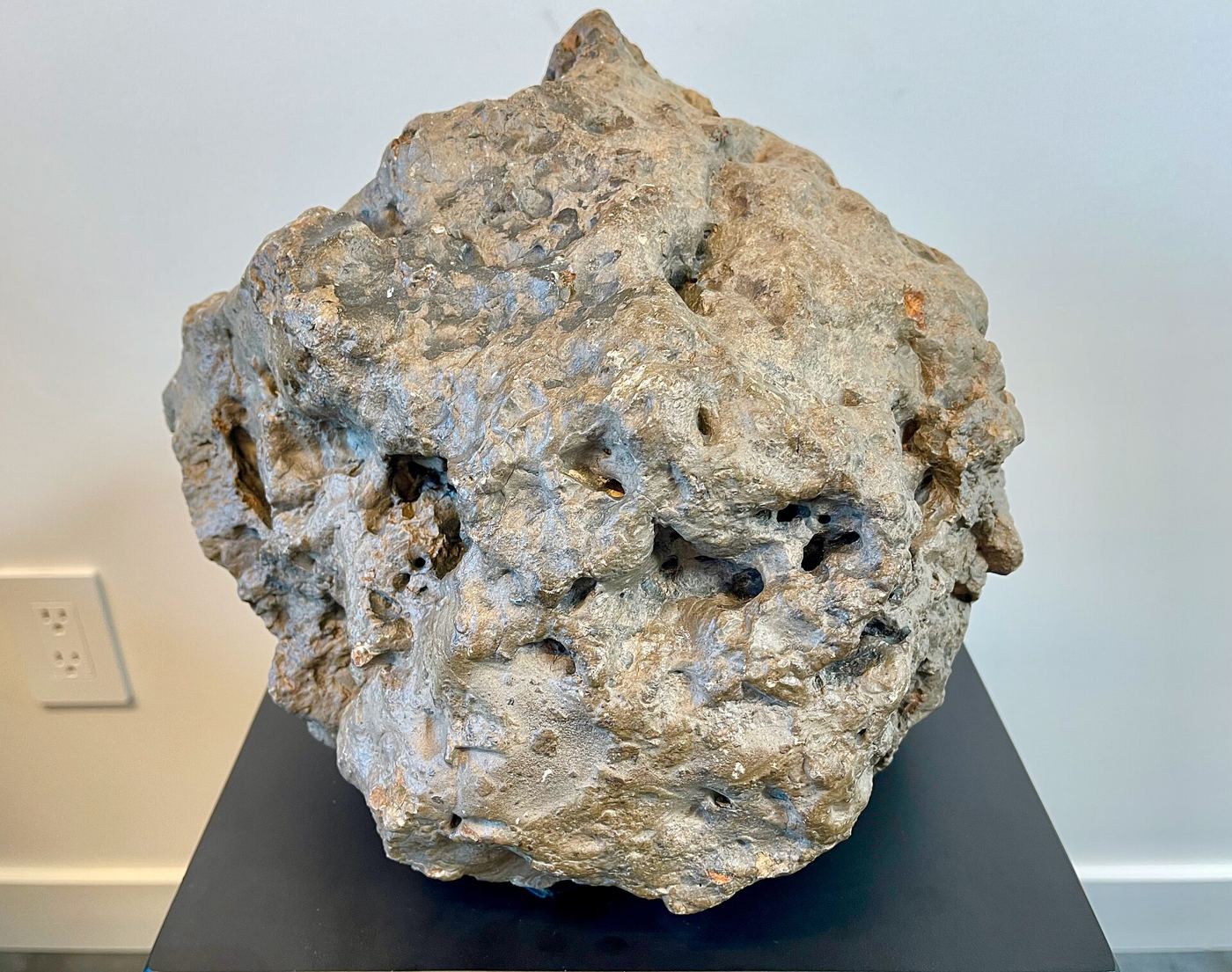
ESA’s Hera spacecraft is closing in on the Didymos binary asteroid system to carry out a detailed survey of the site where NASA’s DART mission crashed into the smaller asteroid Dimorphos in 2022. From about 60 kilometres away, Hera has captured close-up images with its monochrome Asteroid Framing Camera, showing the roughly 780-metre Didymos clearly, while much of the 151-metre Dimorphos remains in shadow. The images reveal a previously unseen hemisphere of Didymos with boulders, craters and possible grooves or ridges. DART’s impact shortened Dimorphos’s orbit by about 33 minutes, but whether the strike left a crater, reshaped the body, or both still needs near-field data.
What the Evidence Shows
Hera’s mission is often described as a crash-site autopsy, and it matters for planetary defence. If humanity ever needs to deflect a genuinely dangerous asteroid, we must know exactly what a kinetic impact does to a real asteroid, not just what computer models predict. Dimorphos may have been reshaped, fragmented or left with a crater, and each outcome changes how future deflection missions should be planned. Hera will spend months mapping both asteroids in detail, measuring their mass, structure and the debris left behind. The results will feed directly into plans for protecting Earth from asteroid impacts, making this one of the most practical space missions ever flown. Scientists will also study the dust and debris thrown off by the impact, since the size and spread of that material can reveal how much momentum an asteroid impactor actually delivers, and that knowledge could one day mean the difference between a successful deflection and a failed attempt to save a city. Reporting and analysis from sources such as NASA track the same developments, and specialists following ESA’s Hera probe photographing the asteroid crash site say the direction is now consistent across independent lines of evidence.
The Wider Context
Funding bodies are watching ESA’s Hera probe photographing the asteroid crash site closely because the work sits at the junction of basic curiosity and practical return. Grant panels increasingly ask for a path from discovery to application, while researchers push back that the most valuable uses of fundamental science are rarely the ones written into the original proposal. The tension is productive when both sides stay honest about timescales.
What Happens Next
The long view on ESA’s Hera probe photographing the asteroid crash site is that fields advance by accumulation rather than by single announcements. This result adds a solid, checkable piece to a structure many teams are building, and its authors have shared their data so the piece can be tested from every side. That is how the picture eventually becomes reliable enough to act on. You can follow related developments in our coverage of science.
It is also worth remembering how quickly the picture in this area has changed before. Positions that looked settled a few years ago have been revised as new data arrived, and the same humility is appropriate now. The strongest coverage of this subject, and the most useful advice, tends to come from sources that update their views openly when the facts move, rather than defending an earlier position long after it has stopped fitting the evidence available.
