


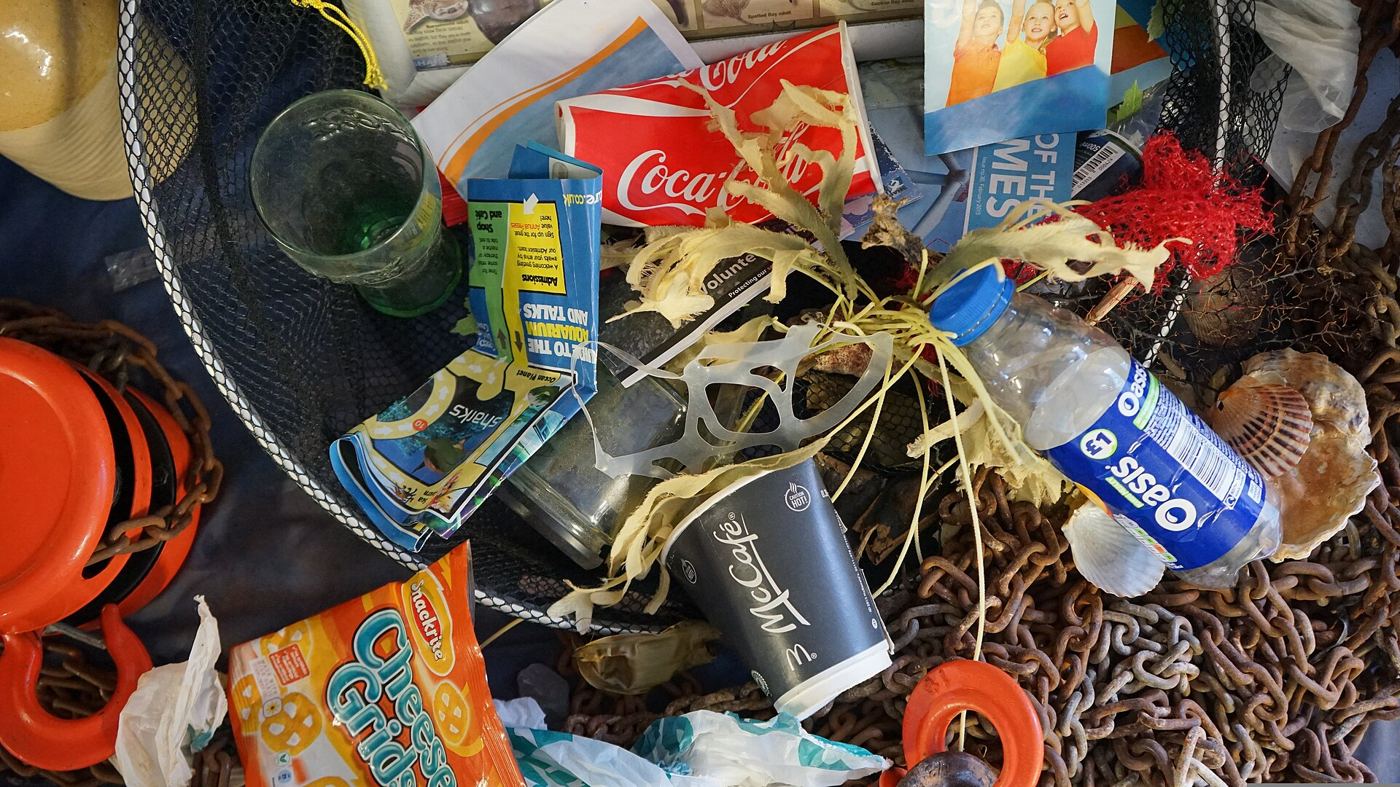
Tiny fragments of plastic have been found in human blood, lungs, placentas and other tissues, a discovery that has turned a pollution problem into a personal one. Microplastics are pieces smaller than five millimetres, shed by packaging, clothing, tyres, paints and larger plastic waste as it breaks down. They travel through air, water and food, and people swallow and breathe them in every day. Researchers have detected them in drinking water, seafood, table salt, fruit and vegetables, and in the air of city streets and even remote mountain regions. The particles are so small that they can lodge in tissues, and laboratory studies show that some plastics carry chemicals that can disturb hormones and damage cells. The amounts found in the body are tiny, and scientists are careful to say that detection is not the same as harm, but the sheer spread of the particles has raised urgent questions about what decades of exposure might do.
What the Evidence Shows
The hardest question is what the health effects are, and research is still at an early stage. Studies in animals and in human cells suggest that microplastics can cause inflammation and oxidative stress, and that the smallest particles, called nanoplastics, may cross barriers that larger particles cannot. But measuring exposure in people is difficult, because plastic is everywhere in laboratories too, and contamination can skew results. Scientists are working on cleaner methods, larger studies and longer follow-up to find out whether microplastics are linked to heart disease, fertility problems or other conditions. Meanwhile, the most practical advice is to cut plastic use where it is easy: choose reusable bottles and bags, wash synthetic clothes less often, and support policies that reduce single-use plastic. The particles in the body are a reminder that plastic waste does not disappear when it is thrown away; it breaks down, spreads, and comes back to us. Reporting and analysis from sources such as NASA track the same developments, and specialists following microplastics in the body say the direction is now consistent across independent lines of evidence.
The Wider Context
Funding bodies are watching microplastics in the body closely because the work sits at the junction of basic curiosity and practical return. Grant panels increasingly ask for a path from discovery to application, while researchers push back that the most valuable uses of fundamental science are rarely the ones written into the original proposal. The tension is productive when both sides stay honest about timescales.
What Happens Next
The long view on microplastics in the body is that fields advance by accumulation rather than by single announcements. This result adds a solid, checkable piece to a structure many teams are building, and its authors have shared their data so the piece can be tested from every side. That is how the picture eventually becomes reliable enough to act on. You can follow related developments in our coverage of science.
It is also worth remembering how quickly the picture in this area has changed before. Positions that looked settled a few years ago have been revised as new data arrived, and the same humility is appropriate now. The strongest coverage of this subject, and the most useful advice, tends to come from sources that update their views openly when the facts move, rather than defending an earlier position long after it has stopped fitting the evidence available.
