


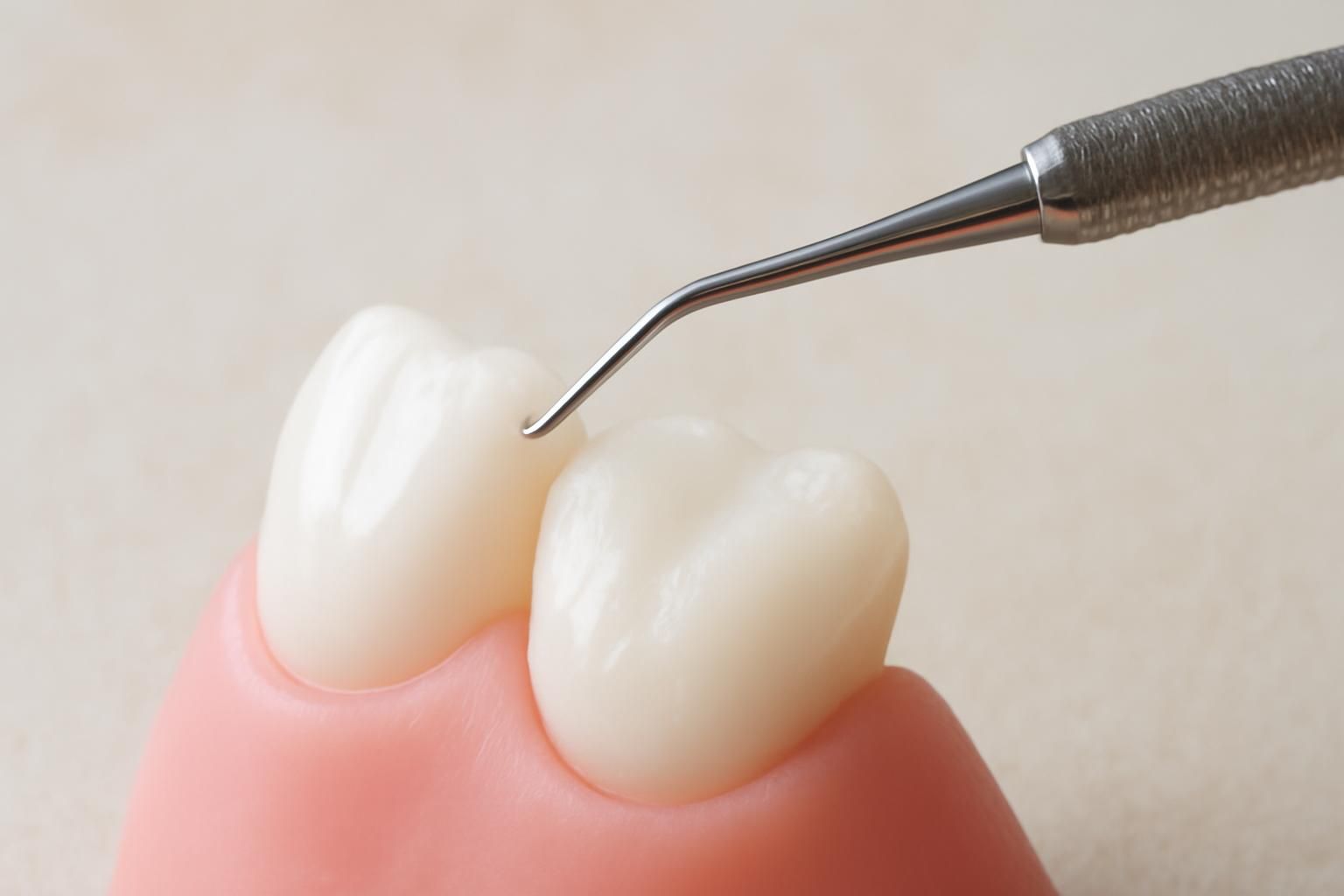
You noticed it in the mirror first. The edge looks rough, the color is a little off, or a small chip catches on your lip when you talk. Dental bonding can hold up well for years, but everyday life leaves marks. Coffee, brushing, chewing, teeth grinding, and simple time all add up. If your bonding no longer looks smooth or natural, you are not imagining it, and you are not overreacting. A family dentist in Salinas can help evaluate whether it needs a simple touch-up or replacement.
The good news is that worn bonding is often fixable. In many cases, a family and cosmetic dentist can polish it, repair a chipped area, or replace older material so it blends better with your tooth. The right option depends on how much bonding is left, whether the tooth under it is healthy, and how much wear has built up over time.
Everyday Wear Changes Dental Bonding in Small Ways That Add Up
Bonding is made from tooth colored resin. It is shaped onto the tooth, hardened, and polished to match your smile. It works well for small chips, gaps, uneven edges, and areas where you want a conservative cosmetic fix. The catch is that resin does not wear exactly like natural enamel. Over the years, it can stain, lose its shine, or chip at the edges.
You might see one problem or several at once. A front tooth that was bonded years ago may start looking dull next to nearby teeth. A once smooth repair may feel rough because the surface has worn down. If you grind your teeth at night, the pressure can shorten the life of the bonding even more. The National Institute of Dental and Craniofacial Research explains that different dental filling materials have different strengths and limits, and resin based materials are valued for appearance but can be more prone to wear than some other options.
This is where stress tends to creep in. You may worry that a tiny chip means a crown, a root canal, or a large bill. Sometimes that happens, but often it does not. Many cases of repairing worn dental bonding are more straightforward. A dentist checks whether the old bonding still has a solid base, whether decay has formed around it, and whether your bite is putting too much force on the area. That exam shapes the next step.
Repairing Old Dental Bonding Depends on the Condition Underneath
If the bonding is only stained or slightly rough, polishing may be enough. If a corner chipped off but the rest is stable, adding fresh resin to the damaged area can work well. If the bonding is old, discolored, and pulling away from the tooth, replacement usually gives a better result than patching. This is often the best path for dental bonding repair when the goal is both function and appearance.
What catches people off guard is that the visible flaw is not always the full problem. If the tooth underneath has decay, cracks, or weak enamel, simply adding more material will not last. MedlinePlus notes that tooth decay can develop quietly until you notice pain, sensitivity, or visible damage, which is why a proper exam matters before any cosmetic repair begins. You can read more about that at this overview of tooth decay.
Material science has also improved over time. Newer dental resins are stronger, polish better, and can bond more reliably than older generations in many cases. The NIDCR has highlighted ongoing work in dental materials research, which helps explain why replacing very old bonding can look and perform better than the original did years ago.
Professional Repair Usually Protects the Tooth Better Than a Quick Fix
|
Option |
What It May Help |
Main Risks |
Best Use |
|
At home temporary dental repair kit |
Covering a sharp edge for a short time |
Poor fit, trapped bacteria, bite problems, color mismatch |
Very short term until you can be seen |
|
Professional polishing |
Surface stains, mild roughness, dull finish |
Will not fix deep stains, gaps, or major chips |
Bonding that is structurally sound |
|
Professional bonding repair |
Small chips, edge wear, limited defects |
May not last if old material is failing overall |
Local damage with healthy tooth structure |
|
Full bonding replacement |
Older discolored bonding, poor fit, repeated chipping |
Higher cost than minor repair |
When appearance and bond strength both need improvement |
DIY repair feels tempting when the damage seems small. The problem is that store bought materials are not shaped to your bite, they rarely match your tooth color, and they can cover an issue instead of solving it. If the area feels sharp, use dental wax or sugar free gum as a brief barrier and schedule care. That is much safer than trying to glue something onto the tooth yourself.
Small Daily Habits Often Decide How Long the Repair Lasts
Once bonding has been repaired or replaced, the next goal is helping it last. Resin can stain from coffee, tea, red wine, and tobacco. Hard foods and ice chewing can chip edges. Nail biting and pen chewing do the same. If you clench or grind, a night guard may protect both the bonding and your natural teeth.
This matters because repeat repairs are not just about money. Each time a restoration is redone, your dentist has to work with the tooth structure that remains. Conservative choices early on can preserve more of the tooth for later. That is one reason a dentist may recommend replacing a weak old repair before it breaks badly.
Three Steps You Can Take Right Away
Look for changes in color, shape, and texture. Run your tongue over the area. If it feels rough, catches, or looks darker than the surrounding tooth, make a note of it. A clear photo in natural light can help you track whether it is getting worse.
Avoid extra stress on the tooth. Chew on the other side if possible, skip very hard foods for now, and do not try to trim or smooth the bonding at home. If the area is sharp, cover it briefly with dental wax until you can get treatment.
Book an exam before the damage spreads. Early care can mean a simple polish or small repair instead of a full replacement. If you have sensitivity, pain, or swelling, do not wait. Those signs can point to decay or a deeper crack under the bonding.
Repairing Dental Bonding After Years of Wear Can Be Simple When You Act Early
If your bonding looks tired, chipped, or stained, you are dealing with a common problem, not a personal failure. Teeth work hard every day, and cosmetic materials age with them. Repairing dental bonding after years of everyday wear often comes down to a careful exam, a realistic plan, and small choices that protect the result after treatment.
A family and cosmetic dentist can tell you whether the bonding needs polishing, repair, or full replacement, and that clarity usually eases a lot of the worry. If your smile has changed and you are tired of watching the flaw get worse, schedule an evaluation and get a clear path forward.
