


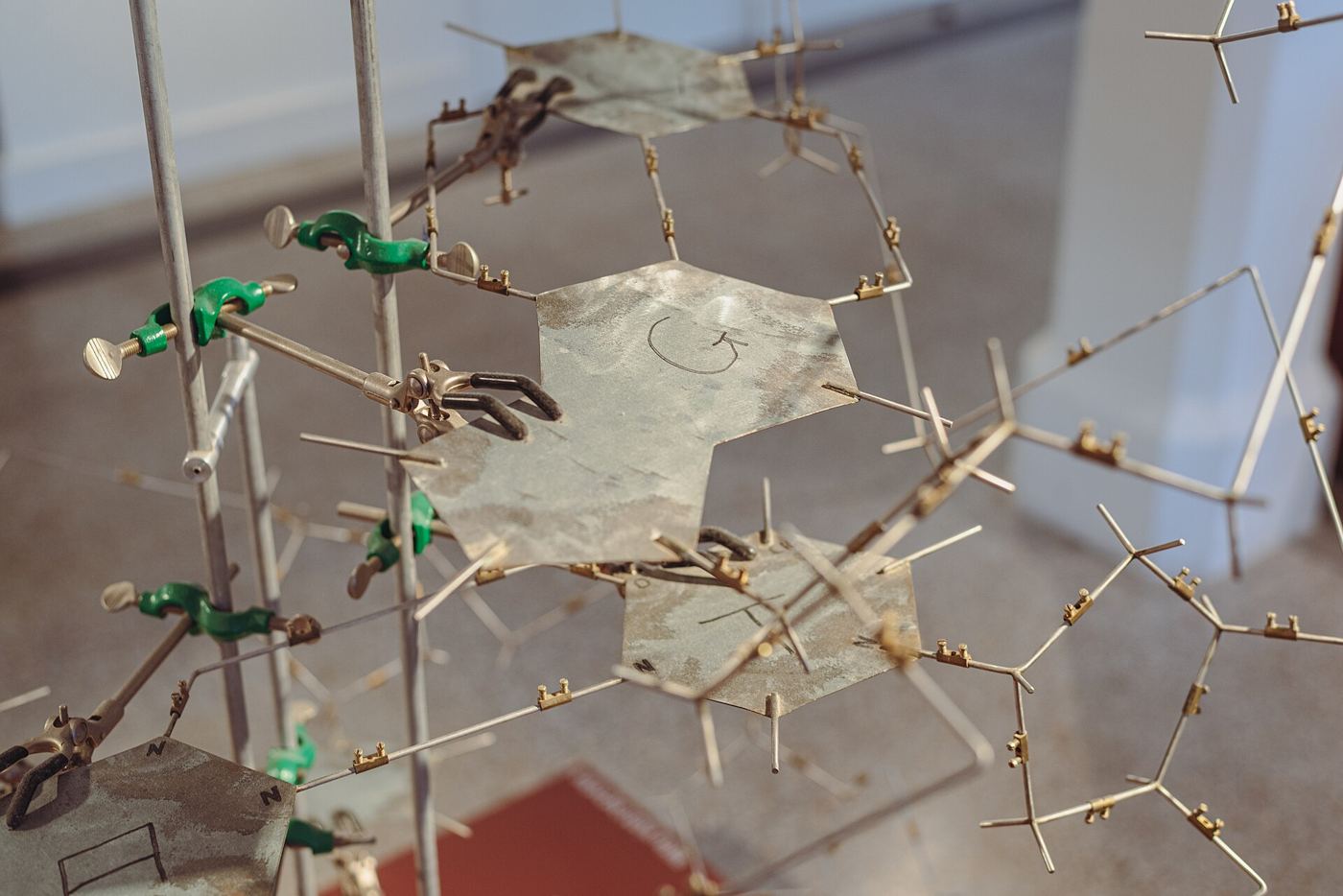
Scientists have uncovered a surprising reason why early life may have survived Earth’s intense ultraviolet radiation: a key component of DNA appears to turn potentially destructive damage into something easier to repair. The discovery was reported on 22 November 2026. When ultraviolet light strikes DNA, it can weld neighbouring building blocks together, creating lesions that block copying and can kill a cell. The new work shows that one of DNA’s own components helps channel that damage into a form the cell’s repair machinery can handle, rather than leaving it as a more dangerous defect. Researchers reached the conclusion by studying how ultraviolet light interacts with the building blocks of DNA in laboratory experiments.
What the Evidence Shows
The finding matters for the story of life’s origins. The young Earth had no ozone layer, so its surface was bathed in harsh ultraviolet light far stronger than today. If DNA’s chemistry made that radiation survivable, it could help explain how the first fragile molecules persisted long enough to evolve into living cells. The same chemistry may also matter for the search for life elsewhere, since planets around active stars face similar radiation. Understanding how DNA protects and repairs itself could also guide research into skin damage and cancer, where ultraviolet light remains a threat. The work also hints at why DNA, rather than other molecules, became the carrier of genetic information on Earth. Reporting and analysis from sources such as NASA track the same developments, and specialists following DNA’s ultraviolet shield say the direction is now consistent across independent lines of evidence.
The Wider Context
Funding bodies are watching DNA’s ultraviolet shield closely because the work sits at the junction of basic curiosity and practical return. Grant panels increasingly ask for a path from discovery to application, while researchers push back that the most valuable uses of fundamental science are rarely the ones written into the original proposal. The tension is productive when both sides stay honest about timescales.
What Happens Next
The long view on DNA’s ultraviolet shield is that fields advance by accumulation rather than by single announcements. This result adds a solid, checkable piece to a structure many teams are building, and its authors have shared their data so the piece can be tested from every side. That is how the picture eventually becomes reliable enough to act on. You can follow related developments in our coverage of science.
It is also worth remembering how quickly the picture in this area has changed before. Positions that looked settled a few years ago have been revised as new data arrived, and the same humility is appropriate now. The strongest coverage of this subject, and the most useful advice, tends to come from sources that update their views openly when the facts move, rather than defending an earlier position long after it has stopped fitting the evidence available.
