


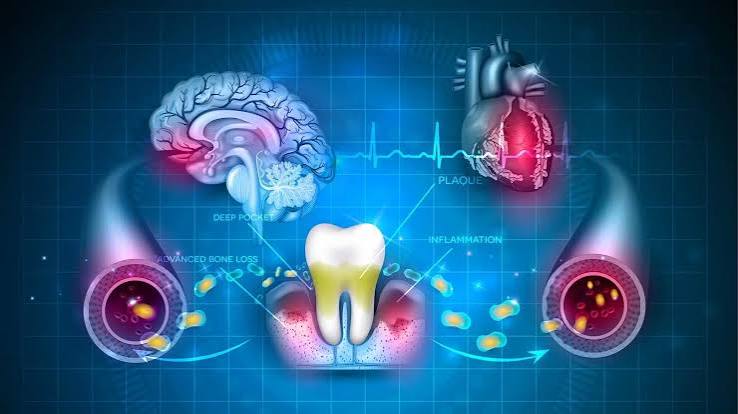
You brush, floss when you can, and schedule cleanings when life slows down enough to let you. Then your west Houston dentist mentions inflammation, diabetes, heart health, or dry mouth from medications, and it can feel like the conversation just got bigger than teeth. That reaction makes sense. Most people grow up thinking dental care stays in the mouth, when the truth is much closer and more personal. Your mouth is part of your body’s daily warning system, and general dentistry often catches signs of trouble before they show up somewhere else.
The reason oral systemic health connections matter in general dentistry is simple. Gum disease, chronic inflammation, infection, blood sugar problems, and medication side effects do not stay neatly separated. They affect each other. A sore, bleeding gumline can point to more than brushing habits, and uncontrolled diabetes can make dental problems harder to manage. Good dental care protects more than your smile. It supports your whole health.
Oral health and whole body health affect each other every day
Your mouth has bacteria, just like the rest of your body. When your gums are healthy, those bacteria are usually kept under control. When plaque builds up and gums become inflamed, the barrier weakens. Bacteria can move deeper into tissue, and inflammation can spread beyond the mouth. That is one reason oral health and overall health are so closely linked.
This shows up in everyday ways. If your gums bleed often, you may ignore it because it does not seem urgent. If you have diabetes and your blood sugar runs high, your body may have a harder time fighting infection, including gum infection. Then the gum disease can add more inflammation, which may make blood sugar harder to control. That cycle wears people down because it affects comfort, eating, sleep, and routine care all at once.
The National Institute of Dental and Craniofacial Research explains the healthy mouth healthy body connection clearly. Oral health is tied to conditions such as diabetes, and dental professionals are often among the first to notice changes that deserve medical follow up.
General dentistry often reveals health patterns before they become bigger problems
A general dentist is not just looking for cavities. Routine exams can reveal dry mouth caused by medications, tooth wear from acid reflux, mouth sores that need attention, bone loss linked to gum disease, and signs of clenching tied to stress or sleep issues. You may come in expecting a filling and leave with a better understanding of what your body has been trying to tell you.
That matters financially too. Small dental problems are usually less expensive and easier to treat than advanced disease. A bit of gum inflammation may improve with a cleaning and better home care. Deep infection, loose teeth, or widespread bone loss can turn into a long, costly stretch of treatment. The same pattern often applies to medical concerns connected to oral health. Early signs are easier to manage than advanced complications.
If you live with diabetes, the link becomes even more direct. The NIH page on diabetes and oral health notes that people with diabetes face a higher risk of gum disease, dry mouth, and slower healing. If your dentist sees recurring inflammation or delayed recovery, that information matters. It can help connect the dots before the problem grows.
Why prevention in general dentistry carries more weight than most people realize
People often delay dental visits when nothing hurts. That is understandable, especially if you are balancing work, family, insurance, or anxiety about treatment. The trouble is that many oral health problems stay quiet for a long time. Gum disease can advance with little pain. Infection can sit under the surface. Dry mouth can quietly raise your cavity risk month after month.
General dentistry and systemic health meet in these quiet stages. A routine cleaning, exam, and set of X rays can uncover changes early enough to protect both oral function and broader health. This is one reason regular dental care is not cosmetic maintenance. It is preventive health care.
| Situation | If You Wait | If You Address It Early |
| Bleeding gums | Inflammation may worsen, pockets can deepen, bone loss may begin | Cleaning, home care changes, and monitoring may reverse early gum problems |
| Dry mouth from medication | Higher cavity risk, mouth soreness, trouble eating or speaking | Saliva support, fluoride, product changes, and more frequent prevention can help |
| Uncontrolled diabetes with gum disease | More infection, slower healing, harder blood sugar control | Coordinated medical and dental care can reduce inflammation and improve stability |
| Skipping routine exams | Hidden decay, cracked teeth, and gum disease may progress unnoticed | Earlier treatment is often simpler, less invasive, and less costly |
The broader picture is supported by the NIH overview of oral and dental health, which outlines how oral conditions can affect eating, speaking, comfort, and health across the lifespan.
Small changes in daily care can support oral systemic health connections
Track what your mouth has been telling you. Bleeding when you brush, chronic bad breath, dry mouth, gum tenderness, loose teeth, and sores that do not heal are not minor details. Write them down. Notice when they started, how often they happen, and whether medications or blood sugar changes line up with them.
Share your full health history with your general dentist. Bring an updated medication list. Mention diabetes, heart conditions, autoimmune disease, pregnancy, reflux, sleep problems, and tobacco use. These details shape your risk, your healing, and the kind of preventive care that makes sense for you.
Build a routine that reduces inflammation. Brush twice a day with fluoride toothpaste, clean between your teeth daily, keep up with recommended visits, and ask about targeted support if you deal with dry mouth or gum disease. If you have a medical condition tied to inflammation, steady dental care becomes even more useful.
Why oral systemic health connections matter in dentistry and in your daily life
Your mouth does not work in isolation, and your dental care should not either. When a general dentist looks beyond the surface, you get more than clean teeth. You get another layer of protection for your comfort, your function, and your long term health. That kind of care can catch patterns early, lower treatment burden, and make it easier to stay ahead of problems instead of reacting to them.
If you have been putting off a visit or brushing off signs like bleeding gums or dry mouth, this is a good time to act. A general dentist can help you understand what is happening and what to do next, with a plan that supports both your mouth and the rest of your body.