


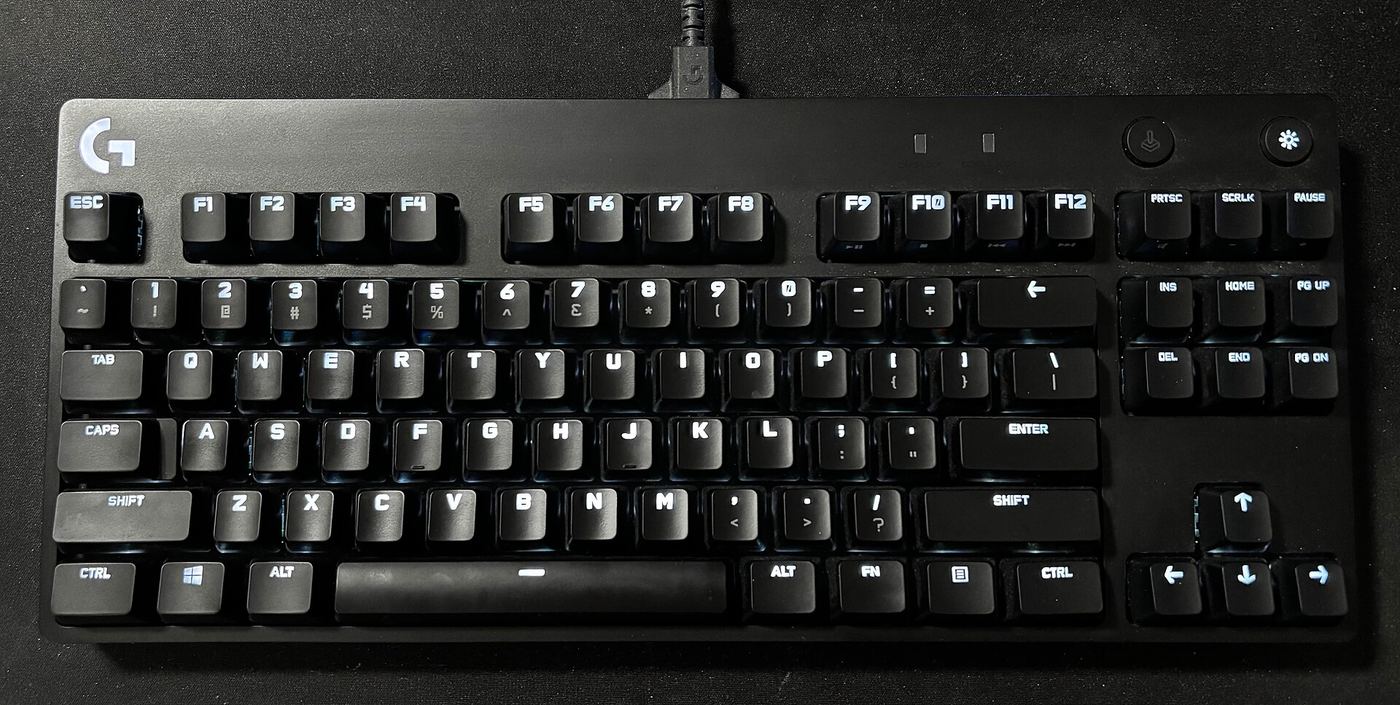
The keyboard used to be the least considered object on a desk — whatever came in the box, replaced when a key died. For a fast-growing community of remote workers, gamers and hobbyists, it has become the centrepiece: a custom mechanical keyboard, chosen switch by switch and keycap by keycap, sitting in a carefully arranged setup photographed and shared like a room makeover. What began in gaming forums has become a mainstream consumer category with launches, group buys and waiting lists.
Technology reviewers at outlets such as The Verge’s technology desk have followed the shift as major manufacturers adopted features the hobbyist scene pioneered, from hot-swappable sockets to gasket-mounted cases designed for a softer typing feel.
Why Mechanical Feels Different
Each key on a mechanical board sits on its own physical switch, and those switches come in distinct personalities: linear switches that travel smoothly, tactile ones with a small bump, and clicky variants that announce every press. Because the switches register partway through the press, many typists find they can type with a lighter touch. Hot-swappable boards let owners pull a switch out and try another in seconds, turning a keyboard into something closer to a musical instrument you tune than an appliance you replace.
Our gadgets coverage tests the boards readers ask about most, from budget hot-swap models to machined aluminium kits.
The Desk Became a Room People Design
The keyboard boom arrived with the wider desk-setup culture of the remote-work years. A desk that appears on video calls all day became worth styling: a monitor arm, a desk mat, warm lighting, a plant, and a keyboard whose colours tie the scene together. Retailers responded with keycap sets in every palette, artisan resin caps made in tiny batches, and coiled aviator cables that serve no function beyond looking deliberate. Social feeds supply the inspiration loop, and our computing section regularly breaks down reader setups and what they actually cost.
Spending Sensibly in an Expensive Hobby
The hobby has a famous trap: the pursuit of a perfect typing sound and feel — enthusiasts call it thock — can absorb serious money. Experienced builders advise starting with a mid-range hot-swappable board, sampling a few switch types cheaply, and changing one variable at a time. Lubricating switches and adding case foam are inexpensive modifications with outsized effects, while a second set of keycaps refreshes a setup for a fraction of a new board’s price.
Beneath the aesthetics sits a durable idea: the tool you touch for eight hours a day should feel good to use. That principle, more than any trend cycle, is why the mechanical keyboard has outlasted the pandemic desk boom — and why the category keeps growing at mainstream retailers and review sites alike.
