


Quantum Computing Gets Practical: Progress Without the Hype
Quantum computing has spent years oscillating between breakthrough headlines and sceptical corrections. Beneath the noise, the field has entered a more interesting phase: less theatre, more engineering. Error correction, the discipline’s central problem, has begun working as theory promised; systems are growing; and researchers are identifying the narrow but real set of problems where quantum machines may earn their keep.
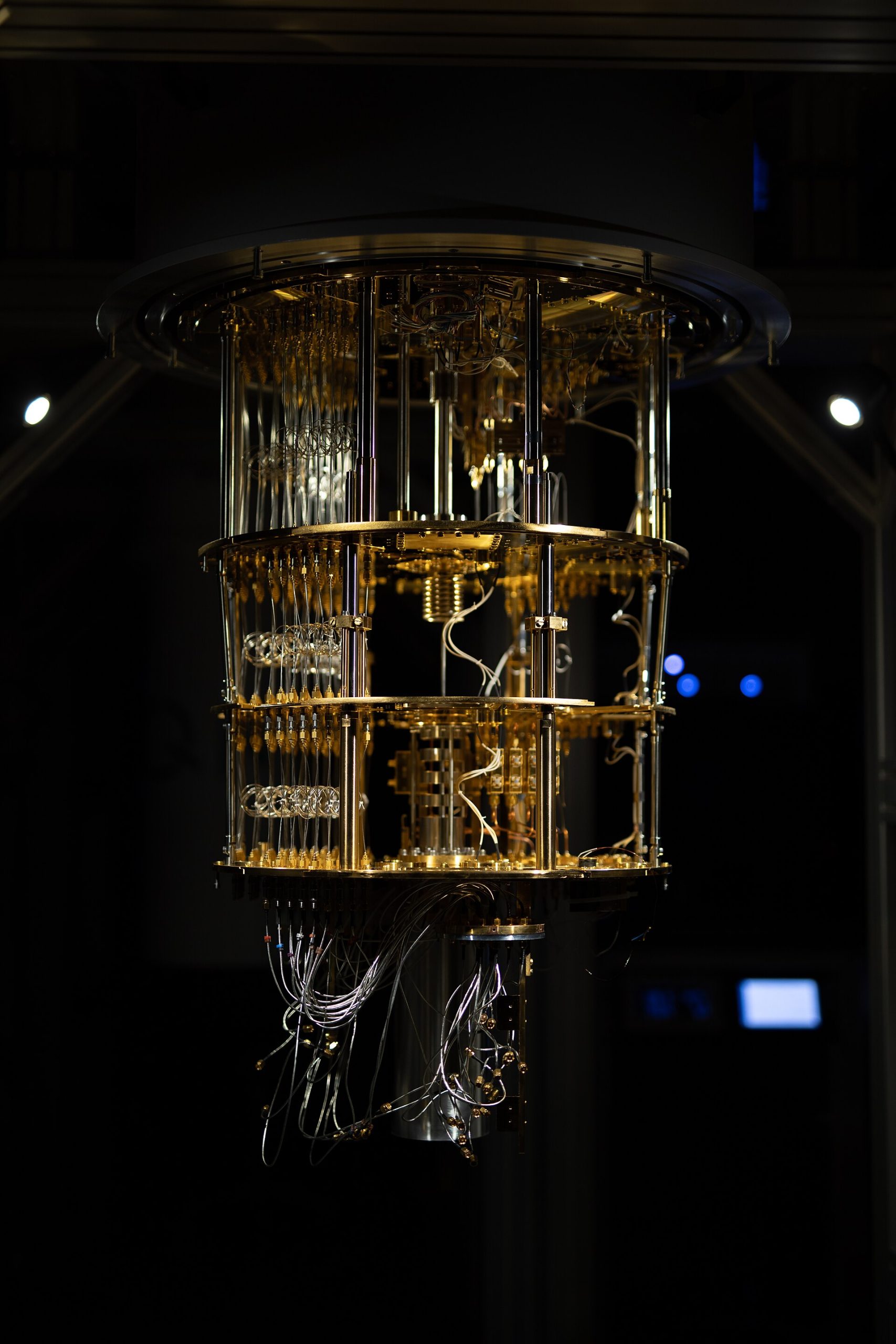
The basic difficulty is fragility. Qubits, the units of quantum information, hold their delicate states only briefly and are disturbed by heat, vibration and stray fields, so errors accumulate faster than calculations proceed. The response is quantum error correction: spreading one logical qubit across many physical ones and continuously repairing it. Recent demonstrations, covered in journals such as Nature, have shown the signature result the field needed: as more physical qubits are added, the logical error rate falls rather than rises.
From Records to Roadmaps
With error correction behaving, roadmaps have become more credible and more specific. Manufacturers now publish targets in logical qubits and error rates rather than raw qubit counts, a welcome change in honesty. Superconducting systems lead in scale, trapped-ion systems in fidelity, and photonic and neutral-atom approaches offer different trade-offs in connectivity and manufacture. Our technology coverage tracks these competing platforms because the eventual winner, if there is one, will shape suppliers, skills and standards for decades.
Chemistry remains the most plausible early beneficiary. Simulating molecules is naturally a quantum problem, and even modest fault-tolerant machines could improve work on catalysts, fertiliser production and battery materials where classical approximations struggle. Logistics, finance and machine learning attract research and scepticism in roughly equal measure; their quantum advantages, if any, look narrower than early marketing implied.
The Deadline Quantum Sets for Everyone Else
Paradoxically, quantum computing’s most urgent practical consequence concerns machines that do not yet exist at scale. A sufficiently powerful quantum computer could break widely used encryption, so standards bodies have finalised post-quantum cryptography to replace it. The National Institute of Standards and Technology published the first post-quantum standards in 2024 and urges organisations to begin migration now, because data harvested today can be decrypted later. Banks, governments and hospitals with long-lived secrets are treating the transition as current work, not future worry.
That migration is, in effect, quantum computing’s first mass-market product: not a machine, but a deadline. It is already reshaping procurement, audits and software inventories in organisations that may never buy a qubit.
An Industry Learning to Underpromise
Investors have noticed the change in tone. Funding increasingly follows error-correction milestones and signed customer workloads rather than qubit-count press releases, and national programmes now fund shared fabrication and testing facilities that start-ups could never justify alone. Universities, meanwhile, are training a workforce the field conspicuously lacked: cryogenic engineers, control-electronics specialists and quantum software developers who think in probabilities rather than certainties. Skills may prove the binding constraint. A fault-tolerant machine needs thousands of components behaving identically at temperatures colder than deep space, maintained by people who understand both the physics and the plumbing. That workforce is being built now, in apprenticeships and doctoral programmes whose graduates will decide whether the roadmaps survive contact with reality.
There is also a quieter race in algorithms. Better classical simulations keep raising the bar quantum machines must clear, while improved quantum algorithms keep lowering the resources a useful machine will need. The finish line moves from both directions, which is healthy science even when it frustrates headline writers. The practical question for businesses is therefore not when quantum computing arrives in the abstract, but which of their specific problems, chemistry, optimisation, sensing, sits closest to the moving frontier, and who inside the organisation is watching it. Further reporting on this subject is collected in our archive, for readers who want the background behind today’s developments.
The mature view of quantum progress is neither the hype nor the backlash. Useful, fault-tolerant machines remain years away and may arrive gradually, workload by workload. But the error-correction results are real, the engineering is compounding, and the cryptographic consequences are already here. Fields rarely announce their turning points clearly. This one is doing so quietly, in error rates that finally fall as systems grow.
