


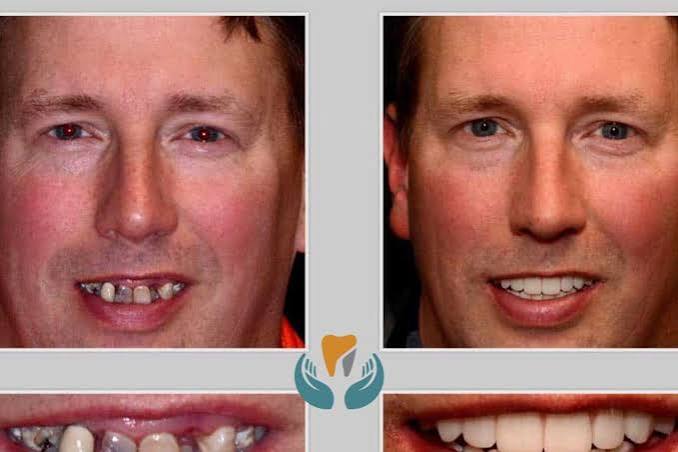
You notice a chipped edge, a small cavity, or a spot that catches food, and your mind goes straight to the worst case. A full crown. A major bill. More drilling than you expected. That worry is common, especially when the damage looks small but feels hard to ignore. In many cases, though, a dentist in Green Valley, AZ can repair a tooth without covering the whole thing. The goal is to keep as much healthy tooth structure as possible while fixing the weak or damaged area.
That is where conservative treatments come in. A general and family dentist may use a filling, bonding, an inlay, or an onlay depending on how much of the tooth is affected. These options are often used for small tooth defect repair when the tooth is still strong enough to avoid a full crown. The best choice depends on the size of the problem, where it sits on the tooth, and how much pressure that area handles when you chew.
Small defects often need precise repair, not full tooth coverage
Teeth do not always fail in dramatic ways. Sometimes the issue starts with a tiny crack line, a worn corner, or decay tucked into a groove. It may not hurt much at first. You might only feel sensitivity to cold, a rough edge against your tongue, or that odd feeling that something is different when you bite down.
If that damage is left alone, it usually gets bigger. A small cavity can spread deeper into the tooth. A chipped cusp can break further when you chew something hard. Once more structure is lost, the repair often becomes larger and more expensive. That is why early treatment matters. It gives your dentist more ways to fix the problem without removing extra healthy enamel.
According to the National Institute of Dental and Craniofacial Research’s overview of dental fillings, fillings are commonly used to repair teeth damaged by decay or minor fractures. The FDA also outlines treatment options for dental caries, which may include different filling materials based on your needs and health history.
For damage that is too large for a basic filling but not severe enough for a crown, dentists may recommend an inlay or onlay. These are custom restorations that fit into or over part of the tooth. The University of Bristol’s patient information on inlays and onlays explains how they restore strength while preserving more of the natural tooth than a full crown would.
Conservative dental treatment protects more of your natural tooth
When people hear they need dental work, they often assume bigger treatment means better treatment. That is not usually true. Dentists try to save healthy tooth structure whenever they can because your natural tooth is worth keeping. The less that needs to be removed, the more strength and stability you often keep in the long run.
A small cavity may need only a filling. A front tooth chip may be repaired with bonding that blends into the tooth. A back tooth with a larger damaged biting surface may do better with an onlay. This is the logic behind partial tooth restoration. The repair is matched to the defect instead of replacing more of the tooth than necessary.
You also feel the difference in daily life. Smaller repairs can mean less drilling, less treatment time, and lower cost than a crown. That does not mean every small problem gets a tiny fix. If the tooth is cracked deeply, has a large old filling, or has lost too much support, a crown may still be the safer option. The right treatment is not the smallest one. It is the one that gives the tooth a real chance to hold up.
Repair options differ in strength, cost, and tooth preservation
Each option solves a different problem. A simple filling works well for small areas of decay. Bonding is often chosen for chips or cosmetic defects, especially on front teeth. Inlays and onlays are more durable for certain moderate defects, especially when chewing forces are high. A crown covers the full tooth and is usually reserved for larger loss of structure or major cracks.
| Option | Best For | How Much Tooth Is Covered | General Considerations |
| Filling | Small cavities or minor damage | Very little | Often the most conservative and cost friendly choice |
| Bonding | Small chips, worn edges, shape correction | Only the affected area | Blends well, especially on front teeth, but may wear faster in heavy bite areas |
| Inlay or Onlay | Moderate damage that is too large for a filling | Part of the tooth | Custom fit, strong, preserves more tooth than a crown |
| Crown | Large cracks, major decay, weakened tooth | Entire visible tooth | Offers full coverage when the tooth needs broader support |
This is why a routine exam matters. What looks like a small defect in the mirror may have hidden depth, and what feels alarming may turn out to be a simple repair. A dentist checks the structure, the bite, and any decay around the area before recommending treatment.
Three steps help you respond before a small defect becomes a bigger repair
1. Pay attention to subtle changes. Sensitivity, a rough edge, food trapping, or a tooth that feels different when you bite can all point to early damage. You do not need severe pain for a problem to be real.
2. Ask what can be preserved. During your visit, ask whether the tooth qualifies for a filling, bonding, inlay, or onlay before moving to full coverage. That opens a clear conversation about conservative care and whether a dentist repair for small tooth damage is realistic in your case.
3. Do not delay the exam. Early treatment usually gives you more options. Waiting can turn a minor defect into a crack, infection, or larger restoration. Even if the area is not hurting now, it can still be getting worse under the surface.
Early repair can save time, money, and more of your tooth
If you are worried that a small defect means losing the whole tooth to a crown, there is some relief in knowing that many teeth can be repaired in a more targeted way. Fillings, bonding, inlays, and onlays all have a place in modern general dentist care, and each one is designed to restore the tooth while keeping as much healthy structure as possible.
The next step is simple. Schedule an evaluation with a general and family dentist and ask about conservative treatment options for your tooth. A small repair now can prevent a much bigger one later.