


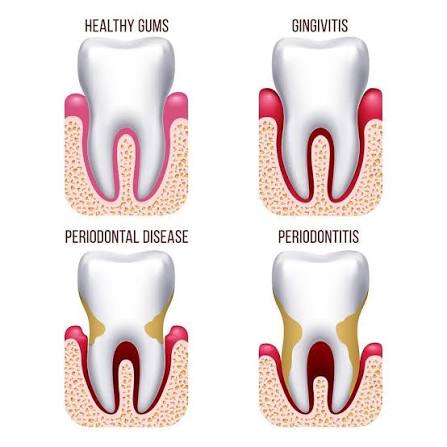
You brush, you floss when you can, and then a dentist mentions gum pockets, bone levels, or inflammation. That can feel unsettling fast. Most people do not notice gum disease or bone loss early because it often starts quietly, with little more than bleeding when you brush or a little tenderness that comes and goes. The good news is that comprehensive dental care for families in Tustin and how general dentistry tracks gum and bone health over time is not guesswork. Your general dentist uses routine exams, measurements, images, and patterns from visit to visit to spot small changes before they turn into tooth loss or more costly treatment.
This matters because gum and bone health are connected. Your gums seal around your teeth, and the bone underneath supports them. When plaque and bacteria stay in place too long, the gums can become inflamed. If that inflammation keeps going, the bone around the teeth can start to shrink. According to the National Institute of Dental and Craniofacial Research on gum disease, early gum disease may be reversible, but later stages can damage the tissues and bone that hold teeth in place.
General dentists monitor gum disease and bone loss through small changes over time
A single dental visit gives one snapshot. Real tracking happens when your dentist compares that snapshot to the next one, and the next. This is where a general dentist becomes your long term baseline keeper. They look for patterns in bleeding, gum pocket depth, gum recession, tartar buildup, loose teeth, bite changes, and the shape of the bone visible on X rays.
You may hear numbers called out during a cleaning or exam. Those numbers usually come from periodontal charting. A small measuring tool checks the space between your tooth and gum. Shallow spaces are easier to keep clean. Deeper spaces can mean inflammation, tissue breakdown, or bone loss. If a spot that was once 2 or 3 millimeters becomes 5 or 6 millimeters, that change tells a story. The concern is not just the number itself. It is whether the number is stable, improving, or getting worse.
X rays fill in the part you cannot see in a mirror. Your gums may look mostly normal, yet the supporting bone may already be changing. Bitewing and full mouth images help your dentist compare bone height around each tooth from year to year. That is often how slow bone loss is caught early enough to manage before teeth become loose.
This can feel frustrating because you may be doing your best at home and still hear that one area needs attention. That is common. Crowded teeth, old fillings, dry mouth, smoking, clenching, diabetes, and even the way you brush can all affect certain spots more than others. Tracking is not about blame. It is about catching patterns and adjusting care before damage builds.
Routine exams reveal what daily brushing cannot show
Home care matters, but it has limits. You can remove a lot of plaque with brushing and flossing, yet you cannot measure pocket depth at home or see bone levels under the gumline. That is why regular exams are so useful. A dentist can see whether bleeding is isolated or widespread, whether recession is stable or progressing, and whether a tooth has become more mobile since your last visit.
The CDC information on periodontal disease notes that gum disease is common and may become more likely with age and other risk factors. That does not mean tooth loss is inevitable. It means consistency matters. A person who skips care for three years may come back with advanced buildup and deeper pockets that would have been far easier to manage six months at a time.
A common scenario goes like this. You miss a few cleanings because life gets busy. Bleeding starts, then stops, so you assume the problem passed. In reality, the tissue may have become less healthy and less responsive, not healed. By the time discomfort shows up, the issue may already involve bone support. This is why tracking gum and bone health over time is one of the most useful parts of general dental care.
Professional tracking gives clearer answers than symptoms alone
| What is being checked | What you may notice at home | What a general dentist can track over time |
| Gum inflammation | Bleeding when brushing, tenderness, bad breath | Bleeding points, tissue color, swelling, plaque retention patterns |
| Periodontal pocket depth | Usually nothing obvious in early stages | Measured pocket numbers, changes by tooth and surface |
| Bone support | Often no clear symptoms until later | X ray comparison of bone height and shape over time |
| Gum recession | Longer looking teeth, sensitivity | Exact recession areas, root exposure, progression |
| Tooth stability | Feeling that one tooth moves or bites differently | Mobility grades, bite wear, pressure points, shifting |
This kind of record keeping helps your dentist decide whether you need routine cleanings, more frequent periodontal maintenance, better home care tools, or referral for advanced treatment. It also protects you from overtreatment. If your numbers are stable and your bone levels look unchanged, that stability is useful information too.
Small actions now can protect your gums and jawbone later
Keep your recall visits consistent. If your dentist recommends visits every six months, or every three to four months for gum concerns, stick to that schedule. Timing matters because it creates a reliable record. It is much easier to compare changes over six months than over several years.
Ask for your gum measurements and trends. You do not need a lecture or a stack of jargon. Ask which areas are stable, which are deeper, and whether bone levels look different from prior X rays. When you know your own pattern, it becomes easier to focus your brushing and flossing where it counts.
Improve the spots that keep showing up. If one area bleeds every visit, treat that as a signal, not a failure. Your dentist may suggest floss holders, interdental brushes, an electric toothbrush, or changes in technique. If dry mouth, smoking, or diabetes is part of the picture, managing those factors can help protect your gums as much as cleaning does.
Steady dental monitoring helps you keep more than your smile
Gum and bone problems rarely appear all at once. They build slowly, and that is exactly why regular tracking works. A general dentist does not just clean teeth. They compare measurements, review images, watch for trends, and catch changes early enough to give you more options. If you have been putting off a visit or you know one area has been bothering you, now is a good time to schedule your next appointment and get a clear baseline for your gum health.
