


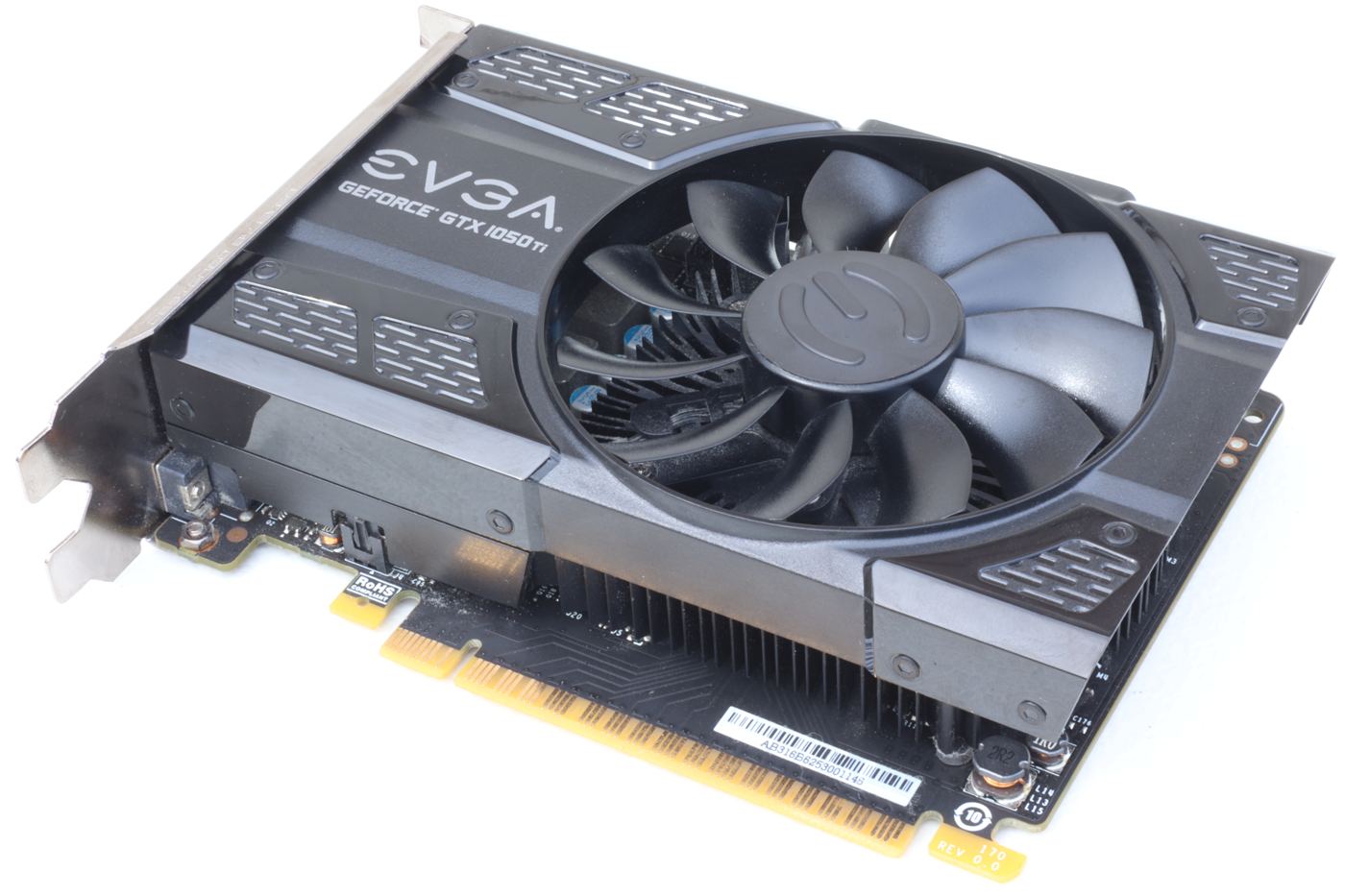
Nvidia has released Project G-Assist, an artificial intelligence assistant that runs locally on GeForce RTX graphics cards instead of in the cloud, Gadgets 360 reported on 27 November 2026. The assistant helps users control a wide range of PC settings, from optimising game and system settings to charting frame rates and other performance statistics, all through basic voice or text commands. It can answer questions about PC hardware, overclock the graphics card, and control supported peripherals such as lighting on devices from Logitech G, Corsair, MSI and Nanoleaf. The current release is an experimental version for RTX desktop PCs, and users open it by pressing Alt+G after installing it from the Discover section of the Nvidia app.
What the Evidence Shows
G-Assist runs on a specially tuned small language model that lives on the graphics card itself, so it can work offline and keeps commands on the user’s own machine rather than sending them to a server. Nvidia first showed the technology as a demo at Computex 2024 and released it through the Nvidia app in 2025, with later updates cutting its memory use and adding laptop support. The assistant is deliberately narrow: Nvidia says it is not intended to be a broad conversational chatbot, but a tool for tuning, controlling and optimising a PC. It also supports community plug-ins for services such as Spotify, Discord, Twitch and Stream Deck, letting gamers control apps and devices without leaving their game. Reporting and analysis from sources such as Wired track the same developments, and specialists following the Nvidia Project G-Assist release say the direction is now consistent across independent lines of evidence.
The Wider Context
The wider context is an industry learning to ship capability and restraint together. Products built around the Nvidia Project G-Assist release now launch with safety evaluations, usage data and rollback plans as standard, because enterprise buyers and regulators ask for them in the first meeting. Companies that treated those questions as friction are discovering they have become the purchase criteria.
What Happens Next
What happens next for the Nvidia Project G-Assist release depends less on another breakthrough than on the unglamorous work of reliability, pricing and support. The buyers evaluating it now are not enthusiasts; they are operators with budgets and auditors, and their checklists will decide the timeline. On the evidence of the current pilots, the technology has earned the right to be judged by them. You can follow related developments in our coverage of technology.
None of this will be settled by a single announcement, study or product launch. The pattern to watch is accumulation: independent confirmations, honest reporting of failures and steady improvement in the underlying numbers. Readers who follow those signals, rather than the loudest claim of the week, will understand this subject better than most of the commentary surrounding it suggests is possible.
