


You can see it in small moments. A child covers their mouth when they laugh. A teen avoids smiling in photos, or gives one tight grin that never reaches their eyes. Sometimes the issue is obvious, like tooth pain or staining, and they may even need a root canal in Dumfries, VA. Sometimes it is quieter than that. They feel self conscious, worried something looks wrong, or nervous that a dentist will find a problem they have tried to ignore.
That stress adds up. Oral health affects comfort, speech, eating, sleep, and the way kids carry themselves in school, sports, and social settings. Regular checkups do more than clean teeth. They help children feel secure in their appearance, trust their own routines, and avoid problems that can chip away at confidence over time. That is a big reason regular dental visits for kids and teens matter so much.
Healthy smiles shape how children and teens feel about themselves
Confidence often starts with feeling comfortable in your own body. For children and teens, the mouth is part of that every day. They talk in class, read out loud, sing, laugh with friends, and meet new people. If brushing hurts because gums are inflamed, or if bad breath keeps coming back, they notice. Their friends may notice too. Even when no one says a word, kids can become deeply aware of their teeth.
Routine dental care helps prevent the issues that make children pull back. Cavities, plaque buildup, crowding concerns, and gum irritation can usually be spotted early, when treatment is simpler and less stressful. The CDC’s oral health tips for children also connect daily care and regular dental visits with stronger long term oral health, which supports both comfort and self esteem.
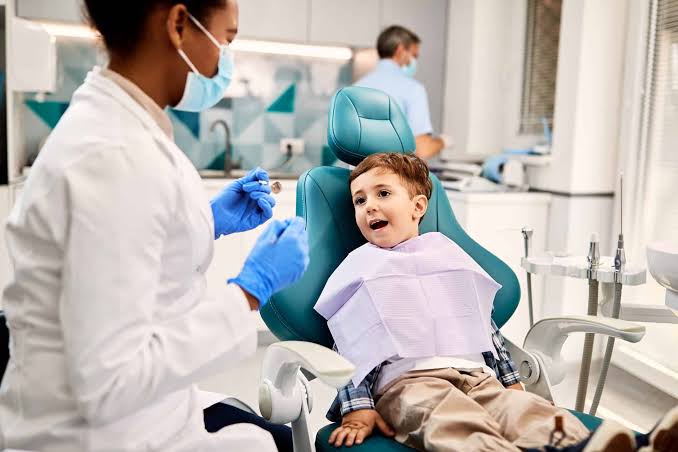
There is also the emotional side of familiarity. A child who sees the same dental team regularly learns that the office is not a place of surprise or punishment. It becomes a normal part of staying healthy. That shift matters. Fear tends to shrink when children know what will happen, who will greet them, and how problems are handled.
Missed dental visits often create bigger emotional and practical problems
It is easy to put off an appointment. Schedules get crowded. A child says nothing hurts. A teen insists they are fine. Then a small cavity turns into pain during lunch at school, or bleeding gums become a daily issue before sports practice. When treatment moves from prevention to repair, children often feel more anxious and more embarrassed.
That pattern can hurt confidence in ways parents do not always expect. A teen with visible decay may stop smiling. A child with untreated pain may struggle to focus in class, then start falling behind. Research from the National Institute of Dental and Craniofacial Research shows that oral health is closely tied to overall health and quality of life, including school and social functioning.
There is also the money side. Preventive care is usually far easier on a family budget than fillings, extractions, or urgent care visits. The push for preventive appointments is strong enough that Medicaid highlights the value of children’s preventive dental visits as a quality measure. Prevention is not just a health goal. It reduces disruption, stress, and cost.
Consistent family dentist visits build trust, routine, and self respect
A good family dentist does more than check for cavities. Children learn how to care for their teeth in ways they can actually follow. Teens get age appropriate guidance on braces, sports guards, whitening questions, wisdom teeth, and the effect of sugary drinks or vaping on oral health. That kind of support gives them a sense of control.
Control is a big part of confidence. When a child knows, “I can keep my teeth healthy,” they feel capable. When a teen sees that regular cleanings improve breath and appearance, they often become more consistent at home. Those wins build on each other.
Preventive dental care for children also teaches a quiet lesson that stays with them. Their health is worth attention before something goes wrong. That mindset can carry into adulthood, where routine care feels normal instead of optional.
Prevention and delayed care lead to very different outcomes
| Approach | What Children and Teens Often Experience | Likely Effect on Confidence |
| Regular checkups and cleanings | Early cavity detection, cleaner teeth, less pain, more comfort during eating and speaking | More willingness to smile, talk, and engage socially |
| Visits only when something hurts | More invasive treatment, stronger fear, missed school, sudden expenses | More embarrassment, avoidance, and anxiety about dental care |
| Consistent guidance from a family dentist | Clear brushing and flossing habits, support through growth changes and teen concerns | Stronger self trust and better long term habits |
| Gaps in care during the teen years | Staining, gum problems, untreated decay, delayed orthodontic or preventive advice | Higher self consciousness during a stage when appearance feels deeply personal |
Small steps now can protect both oral health and confidence
Set appointments before problems start. Put routine dental visits on the calendar the same way you would a school physical or eye exam. Children do better when care feels expected, not reactive. Teens are more likely to cooperate when the visit is part of a normal health routine rather than an emergency.
Talk about the dentist without fear. Avoid using dental visits as a threat or a consequence. Keep the language calm and plain. If your child is nervous, name it without making it bigger. You can say they may feel unsure, but the visit is there to help them stay comfortable and healthy.
Connect oral care to daily confidence. For younger children, that may mean praising steady brushing and celebrating a clean checkup. For teens, it may mean talking honestly about breath, appearance, and how a healthy smile affects first impressions. This is not vanity. It is part of how they feel in their own skin.
Steady dental care gives children and teens a stronger start
Children and teens do not need perfect teeth to feel confident. They need support, consistency, and a chance to deal with small problems before those problems start shaping how they see themselves. Dental checkups for children and teens help protect their health, but they also protect ease, comfort, and the freedom to smile without thinking twice.
If it has been a while since the last visit, you are not alone, and you do not need to wait for pain to make the decision for you. Schedule a checkup with a trusted family dentist and give your child one more reason to feel secure, healthy, and at ease.