


Cloud gaming has started to change a very old rule in digital entertainment. For a long time, access depended on hardware first. Before any story, soundtrack, or multiplayer session could begin, one basic question stood in the way: could the device handle it? A strong PC or a current console often decides everything. If the answer was no, the rest hardly mattered. Interest might be there, but the door stayed half closed.
That is why cloud gaming feels like a meaningful shift rather than a minor technical update. In the wider online space, services such as spinfin reflect a habit that now shapes most digital activity: people expect faster entry, fewer obstacles, and less waiting around before anything enjoyable begins. Cloud gaming follows the same pattern. It lowers the importance of one expensive machine and puts more weight on access itself.
The Old Cost of Entry Was Hard to Ignore
Gaming has never been only about the game. It has also been about the equipment around the game. A new title could look exciting, but excitement usually came with a bill attached. A device might need more storage, better graphics, more memory, or a full replacement. For plenty of households, that made gaming feel selective. Not impossible, but selective enough to push some people toward older titles, cheaper options, or nothing at all.
Cloud gaming changes that starting point. Instead of asking one device to do all the heavy lifting, the system moves much of the work elsewhere. The local screen becomes less of a powerhouse and more of a doorway. That difference sounds technical, yet its impact is practical. A laptop used for ordinary tasks may suddenly become good enough for entertainment that once seemed out of reach. A television, tablet, or phone can step into the picture too.
This does not erase money from the equation. Subscriptions, service fees, and internet costs still exist. Still, the shape of the expense changes. The first step becomes lighter, and that matters.
Access Becomes More Flexible
Another reason cloud gaming stands out is flexibility. Traditional gaming often stays tied to one place. A certain room, a certain setup, a certain machine. Cloud access breaks that pattern a bit. The same game session can move more easily between screens, which fits the way digital life already works. Entertainment now follows people from room to room and device to device. Gaming is starting to behave in the same way.
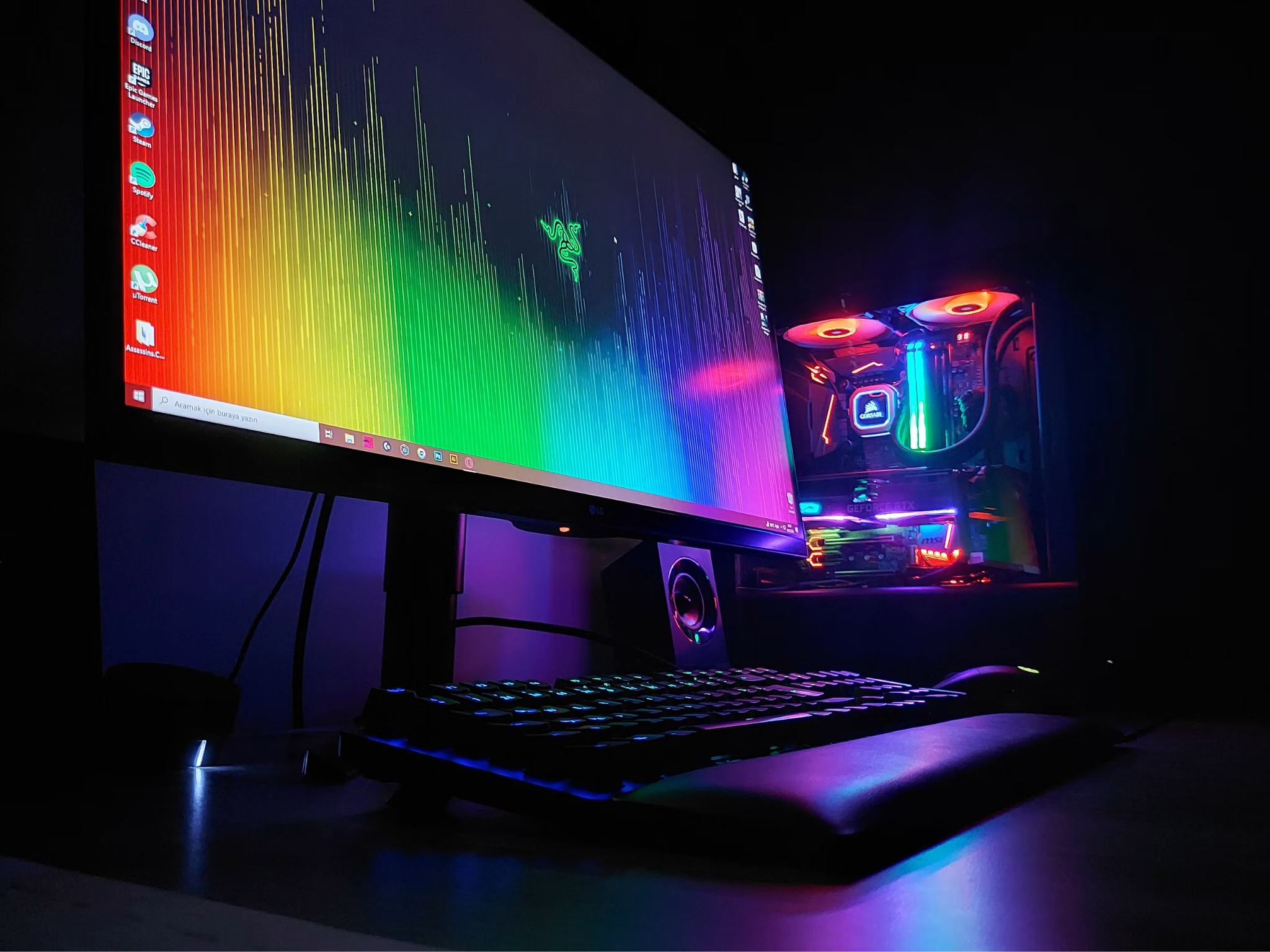
That shift makes casual use more realistic. Not every session needs to be planned. Not every player wants a dedicated setup with glowing hardware and a desk that looks like a spaceship. Sometimes entertainment just needs to start without ceremony.
What Cloud Gaming Makes Simpler
- Trying newer games without buying a premium machine first
- Starting quickly without waiting through huge installations
- Moving between screens with less disruption
- Reducing the need for constant hardware upgrades
- Bringing gaming back to people who stepped away for cost reasons
- Making occasional play feel less demanding
None of these changes guarantees perfection. What they do offer is a softer entry point. In entertainment, that often matters more than brands like to admit.
The Feeling of Ownership Is Also Shifting
Cloud gaming changes something else that often gets overlooked. It changes how a game feels as an object. Traditional gaming came with a stronger sense of possession. A disc sat on a shelf. A file stayed installed. Even digital libraries felt stable because the purchase had a place to live.
Cloud access feels different. The relationship becomes lighter, but also more temporary. The user is not always buying a game in the old sense. More often, the user is renting a path into it. That model already feels normal in music and film, so the idea is not exactly shocking. Still, in gaming, some resistance remains. There is comfort in knowing a game stays put.
That tension probably will not disappear soon. Convenience is attractive, but so is control.
Where Cloud Gaming Helps the Most
The clearest benefit often appears in ordinary life, not in glossy tech demos. Cloud gaming works especially well when convenience matters more than maximum performance.
Situations Where Cloud Access Changes the Experience
- Smaller homes where a full gaming setup feels impractical
- Families sharing screens and devices
- People returning to gaming after a long break
- Users mixing work, streaming, and play on the same device
- Casual players who want entertainment without a big commitment
- Households that prefer subscription-style spending over large upfront costs
These situations are not niche. They are normal. That is exactly why cloud gaming matters.
A Different Kind of Entry Is Taking Shape
Cloud gaming is changing access to digital entertainment because it changes the order of things. The old model often demanded hardware first and enjoyment second. The newer model, at least in part, lets access come sooner. That is not a small cultural shift. It makes gaming feel less like a category reserved for people with the right equipment and more like something that can fit into regular daily routines.
Traditional hardware is not going anywhere tomorrow. Powerful local machines still offer clear advantages, especially for people who care about precision, stability, and long-term control. Even so, cloud gaming has already altered expectations. It has made people ask a different question. Not “What expensive device is needed?” but “How quickly can this begin?”
That change says a lot about where digital entertainment is heading. Access is becoming part of the product itself, and cloud gaming is one of the clearest signs of that.
