


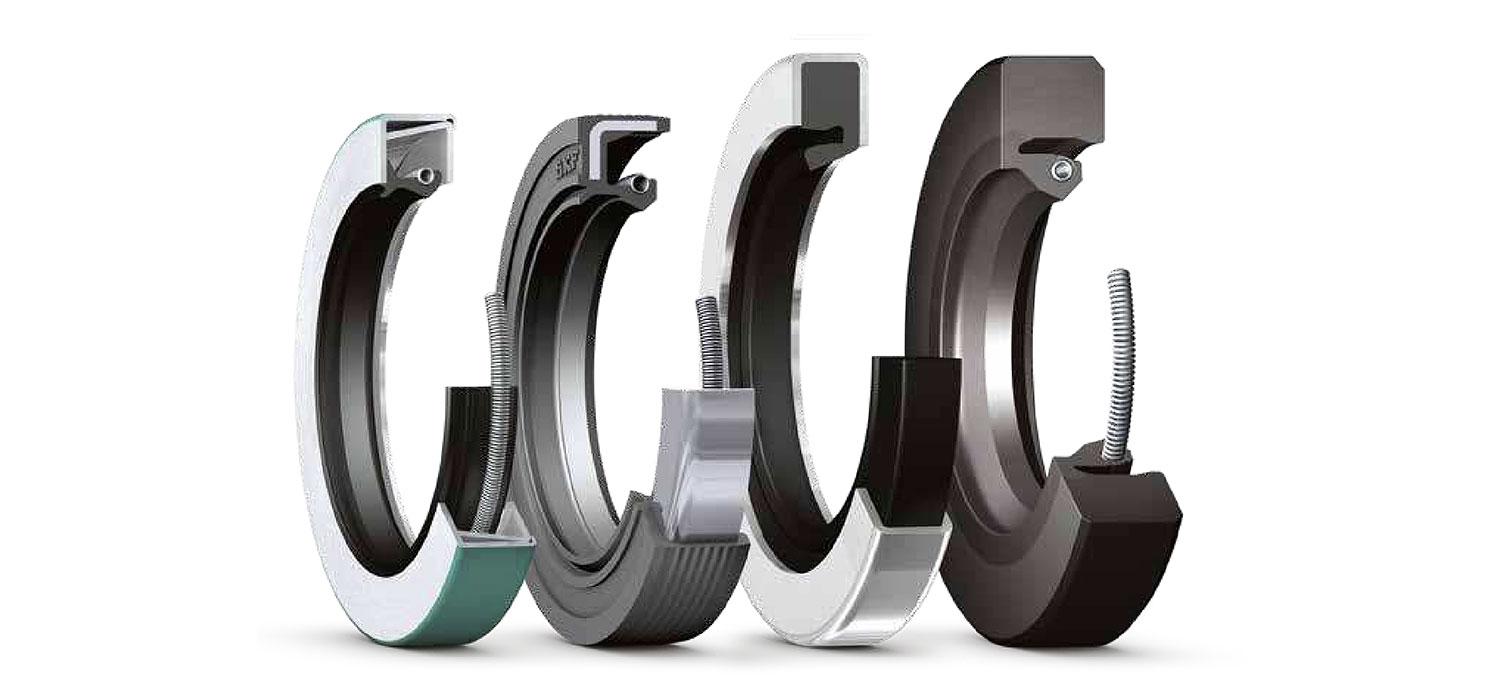
In engineering and industrial systems, failure rarely announces itself dramatically. More often, it creeps in through the small stuff, a seal that’s slightly worn, a gasket that’s no longer providing adequate compression, or a fitting that’s been overlooked through too many maintenance cycles.
Industrial gaskets might seem like unremarkable components in the context of large-scale equipment and complex systems, but they’re among the most consequential parts in any fluid or gas management system. Getting them right is not optional, even when they appear insignificant at first glance.
What Gaskets and Seals Actually Do
A gasket is something that sits between two parts that fit together. It stops fluid or gas from leaking out. For example, in your home, a gasket might be a rubber ring in a faucet. In factories and big machines, gaskets have to work in really tough situations. They have to deal with high or low temperatures, a lot of pressure, and they are exposed to chemicals that can hurt them. They even have to put up with being shaken forth all the time.
The kind of material a gasket is made of, how thick it is, how it is squeezed all affect whether it can do its job in these tough conditions. A gasket has to be just right. Otherwise, the whole system can fail.
Material Selection Is Critical
Industrial gaskets are manufactured from a wide range of materials – rubber, PTFE, graphite, metal, and various composites – each suited to different temperature ranges, chemical environments, and mechanical demands. Selecting the wrong material for the operating environment is a common source of premature seal failure.
The Role of Regular Maintenance
Even properly selected gaskets have a service life, and maintenance schedules that account for seal inspection and replacement are far less costly than reactive responses to unexpected failure.
Summary
Industrial seals and gaskets may be small in size, but their importance to system reliability is anything but minor. They play a critical role in ensuring that complex systems operate safely, efficiently, and consistently over time. Overlooking them or treating them as secondary components can lead to disproportionate risks and costs.
Treating seals and gaskets as mission-critical elements rather than simple consumable parts is an investment that consistently pays off. It reduces downtime, improves operational safety, and extends the overall lifespan of valuable industrial equipment!
