


The United States has the majority of matches at the 2026 FIFA World Cup, with 11 American venues selected as part of the tournament’s record-breaking 16-city lineup. At the 1xBet online there are amazing bets on the FIFA World Cup too.
However, several impressive stadiums failed to make the final cut despite 3 aspects in their favor:
- their size;
- their history;
- and their reputation for staging major sporting events.
Their exclusion highlights the intense competition among host candidates and the strict requirements imposed by FIFA. The online 1xBet platform also has many wagers on FIFA competitions too.
One of the most notable omissions was the Rose Bowl in Pasadena, California. The stadium occupies a special place in World Cup history, having hosted the 1994 FIFA World Cup Final, where Brazil defeated Italy on penalties. With a capacity exceeding 90,000 and decades of sporting tradition, many fans expected the Rose Bowl to return to the tournament. Instead, nearby SoFi Stadium in Inglewood was chosen to represent the Los Angeles area.
Other huge stadiums
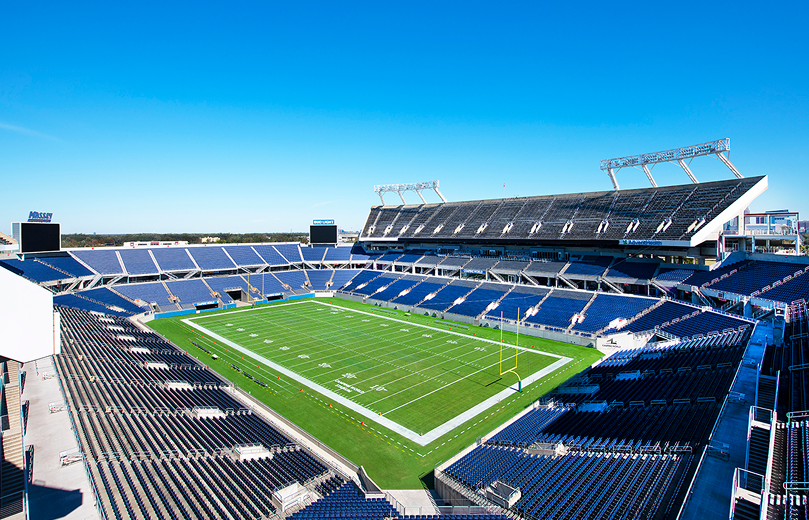
Another significant venue left out was Camping World Stadium in Orlando, Florida. Orlando successfully hosted matches during the 1994 World Cup and remained in contention until the final selection process. Despite its strong tourism infrastructure and experience with major events, the city ultimately lost out to other host markets.
Las Vegas’ Allegiant Stadium is perhaps the most surprising exclusion. Opened in 2020, the state-of-the-art venue has hosted the Super Bowl and numerous international events. Reports indicated that FIFA’s field and infrastructure requirements would have required extensive modifications and a lengthy closure period, making the bid less attractive.
Other respected NFL venues that were not selected include Empower Field at Mile High in Denver, Paycor Stadium in Cincinnati, and M&T Bank Stadium in Baltimore. Denver’s altitude and passionate sports culture made it an intriguing candidate, while Baltimore proposed a joint regional bid with the Washington area. Cincinnati also offered a modern stadium and enthusiastic local support. Nevertheless, FIFA narrowed the U.S. host list to 11 cities, leaving several qualified contenders behind.
Although these stadiums don’t have World Cup matches, their reputations remain intact. Their exclusion reflects the extraordinary depth of sporting infrastructure in the United States, where even world-class venues can miss out on football’s biggest tournament.
