


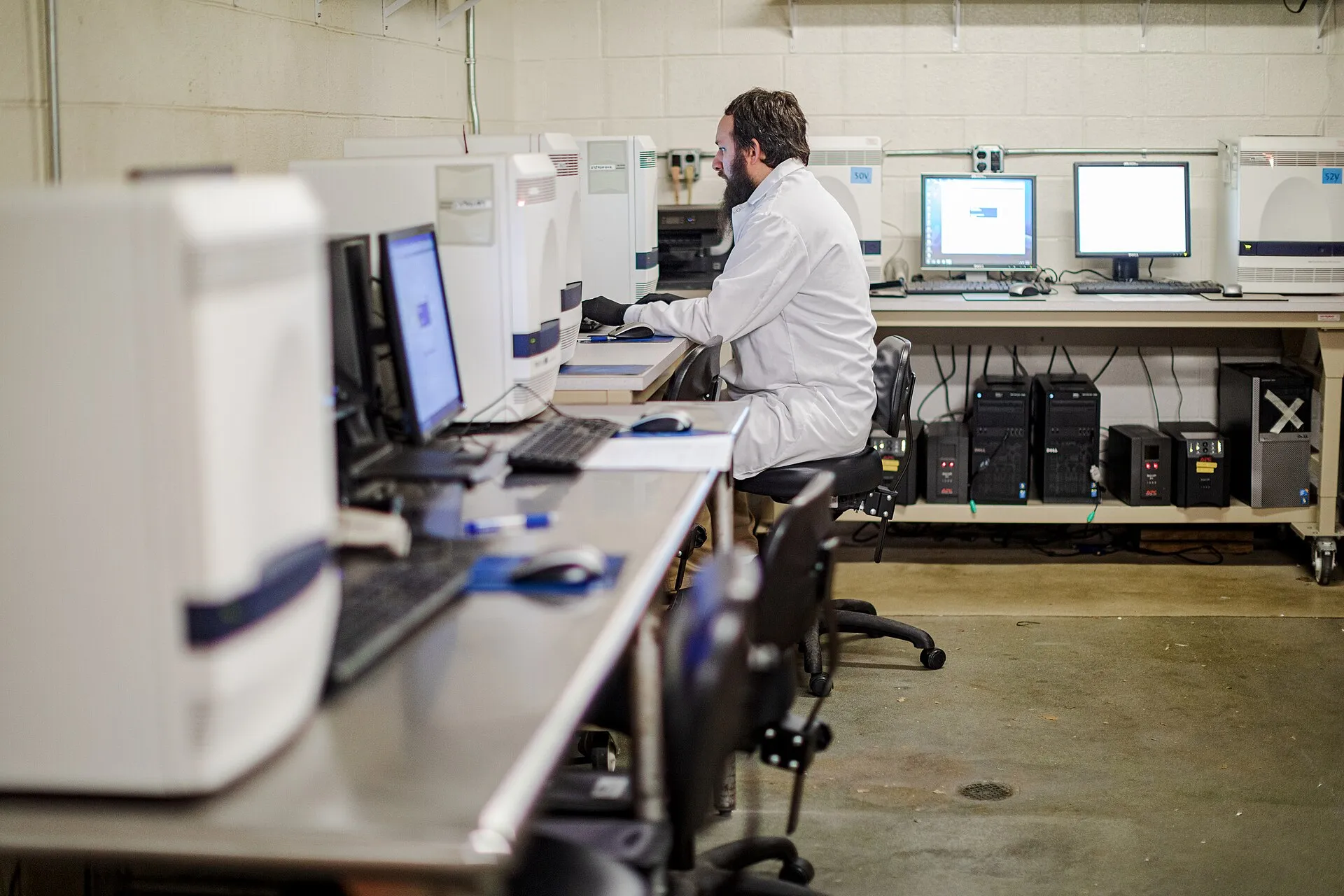
Epidemiology runs on data pipelines, and one of the biggest in American public health has just sprung a leak. A $112 million contract supporting disease surveillance work has been upended amid the DOGE-driven shake-up of federal spending, leaving the state laboratories and university teams that feed data into national systems unsure which parts of the network still work — and which have quietly gone dark.
The technology at stake is not exotic. It is the steady flow of case reports, lab results and genomic sequences that lets officials see an outbreak forming days or weeks before it fills hospital wards.
What the contract actually paid for
To understand the disruption, it helps to understand the plumbing. The $112 million supported coordinated epidemiology capacity: staff who investigate case clusters, laboratories that confirm what pathogen is circulating, and data teams who turn messy local reports into the clean national picture published each week. Research partners, including teams linked to the National Institutes of Health, depend on the same flows for studies of how diseases spread.
Remove one funding spine and the whole posture sags. Projects do not all stop on the same day; instead, contracts lapse, hiring freezes bite and collaborations quietly wind down.
Related reporting on this site: How to Assess Online Health Information Before Acting on It — part of our continuing coverage for readers following how national decisions land locally.
Where the disruption lands first
In state capitals, health officials are redrawing rosters. Programmes that tracked hospitalisations, antimicrobial resistance and emerging infections are being merged, slowed or handed to staff who already carry full caseloads. Several states say the practical effect is a thinner bench precisely when autumn and winter push respiratory illness upward.
For universities, the disruption lands on people as much as projects. Early-career epidemiologists — the workforce the system spent years training — are the easiest to lose and the hardest to replace when contracts wobble.
What a slower system means in an outbreak
Consider the arithmetic of delay. Many respiratory and foodborne illnesses double their case counts in days. Surveillance is what converts that invisible doubling into a visible signal while action is still cheap: targeted testing, public warnings, extra clinic hours. Every layer of reporting that slows down moves the response one doubling further behind the problem.
That is why epidemiologists argue about this contract in terms of time, not money. The $112 million bought speed, and speed is the one thing an outbreak never gives back.
What officials are doing now — and what remains unclear
Behind the scenes, negotiations continue over which parts of the work are indispensable. Nobody in public health disputes that emergency response comes first; the argument is over the layer beneath it — the routine surveillance that keeps emergencies rare. Some officials are making that case in budget language, pointing out that a single late-detected outbreak can cost more than a year of the tracking that would have caught it early.
For now, the system’s professionals are doing what they always do: covering the gaps personally, working longer hours and sharing staff across jurisdictions. Their warning is simple. Goodwill is not a funding model, and a system held together by overtime will eventually start dropping the very signals it exists to catch.
The technology lesson
Surveillance networks fail the way distributed systems do: not with a crash, but with silent nodes. The fix, technologists note, is boring and known — redundant funding routes, interoperable data standards and monitoring of the monitors. Whether the system gets that investment, or simply learns to run thinner, is the story to follow this winter.
