


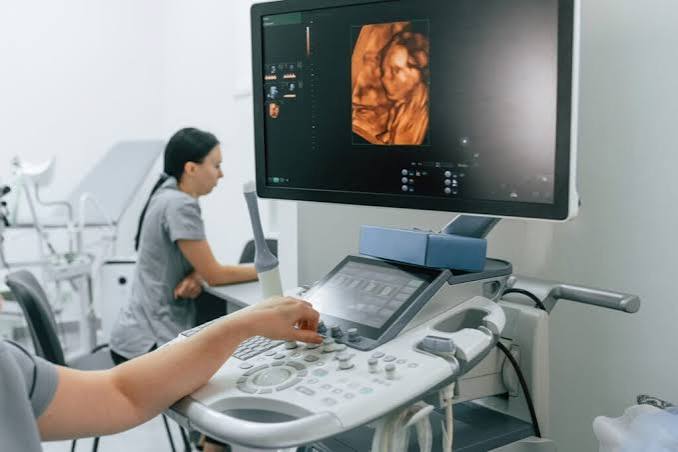
An ultrasound scan is a versatile and widely used diagnostic imaging tool that provides real-time images of the body’s internal structures without the use of radiation. Whether you need an ultrasound near me for routine health screening or an ultrasound scan near me for a specific medical concern, WeCare Clinic in Kuala Lumpur provides professional ultrasound imaging services. For related information, see ultrasound scan.
Ultrasound imaging uses high-frequency sound waves to create images of organs, tissues, and blood vessels within the body. The technique is painless, non-invasive, and safe for use in all patient groups, including pregnant women and children. Images are produced in real time, allowing the doctor to assess the structure and function of internal organs dynamically.
Common applications of ultrasound in clinical practice include abdominal scanning to assess the liver, gallbladder, kidneys, spleen, and pancreas; pelvic scanning for the assessment of the uterus, ovaries, and bladder; thyroid scanning; musculoskeletal scanning of joints, tendons, and muscles; and obstetric scanning to monitor pregnancy and foetal wellbeing.
Abdominal ultrasound is frequently used in health screening to detect conditions such as gallstones, fatty liver disease, kidney stones, liver cysts, and enlarged organs. Many of these conditions can be present without symptoms in their early stages, making screening ultrasound a valuable preventive health tool.
For pregnant women, ultrasound is an essential part of antenatal care. Obstetric ultrasound allows the doctor to confirm the pregnancy, assess foetal growth and development, identify the position of the placenta, and screen for certain structural abnormalities. The first-trimester ultrasound is particularly important for dating the pregnancy and assessing for signs of chromosomal abnormalities.
If you have been referred for an ultrasound scan or are interested in a health screening ultrasound, contact WeCare Clinic to book your appointment. Our experienced team will ensure you receive professional, accurate diagnostic imaging with the care and attention you deserve.
Understand the purpose of ultrasound
Ultrasound uses sound waves to produce images of soft tissues and selected organs without ionising radiation. It may help investigate abdominal pain, pelvic symptoms, lumps or pregnancy-related questions. The exact examination should be chosen according to the clinical problem; one general scan cannot reliably rule out every possible cause of symptoms.
Preparation depends on the body area
Some abdominal scans require fasting, while certain pelvic scans may need a full bladder. Other examinations need little preparation. Ask for written instructions when booking, including whether regular medicines can be taken. Following the correct preparation instructions helps avoid an incomplete examination or the inconvenience of returning for a repeat scan.
A report needs clinical interpretation
The person performing the scan may collect images, but a qualified professional must interpret the findings in context. A normal report does not always explain persistent symptoms, and an incidental finding may not require treatment. Ask who issues the report, when it will be ready and which clinician will explain the result and any next steps.
Choose an appropriate provider
Confirm the clinic offers the specific scan requested and has suitably trained personnel. If a doctor has requested imaging, bring the referral and earlier reports for comparison. Seek urgent medical attention for severe abdominal pain, fainting, heavy bleeding or other acute symptoms instead of relying on a routine scan appointment.
Practical decisions before booking
Before choosing a provider, confirm that the consultation and any proposed procedure are appropriate for your situation. Ask for an explanation of the expected benefits, common side effects, alternative approaches and likely follow-up. It is reasonable to request written information, clarify the total cost and take time to decide when treatment is not urgent. A reputable clinical team should be comfortable discussing uncertainty, referring you elsewhere when needed and explaining the circumstances in which you should seek prompt help.
Making the next appointment useful
Keep a short note of your symptoms or goals, relevant dates and any changes since the previous visit. Bring existing records rather than relying on memory. During the consultation, agree on a clear next step: observation, a specific test, a treatment trial or referral. Find out when results will be available and the signs that should prompt an earlier review. This approach makes care easier to follow and helps avoid repeated appointments that do not answer the original concern.
Patients should also check the credentials of the professional providing care and whether the clinic has appropriate arrangements for complications. A service advertised online may differ between branches, and the availability of a particular test or procedure should be confirmed directly. Good healthcare information describes both the possible advantages and the limitations of a service, rather than treating a consultation as a guarantee of a particular outcome.
Final considerations
For patients in Kuala Lumpur and the wider Klang Valley, the most useful next step is a consultation matched to the concern, not simply the closest advertised procedure. WeCare Clinic can be contacted to confirm which assessments and services are currently available at a particular location. Decisions about investigations and treatment should follow an individual clinical evaluation, with referral to an appropriate specialist when indicated.
Medical decisions should follow an individual consultation with a qualified healthcare professional. The need for testing, referral, medication or a procedure depends on clinical findings, and potential benefits, limitations and adverse effects should be discussed before proceeding. This article is educational and does not confirm that any specific service is available at a particular clinic.