


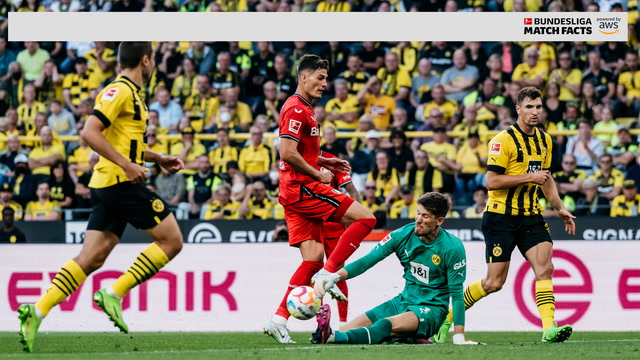
Real-time odds movement in the Bundesliga reflects how quickly information, perception, and match dynamics interact. Unlike pre-match pricing, live odds respond instantly to tempo shifts, tactical changes, and psychological momentum. Interpreting these movements correctly requires understanding why prices change, not just observing that they do. This article explains how real-time odds movement works in the Bundesliga and what it reveals about matches in progress.
Why Bundesliga odds move rapidly during matches
Bundesliga matches are structurally volatile. High pressing, vertical play, and frequent transitions compress decision time for both players and markets. The cause is tempo intensity; the outcome is rapid changes in perceived probability; the impact is frequent price adjustment within short time windows.
Because goals and major chances can occur within seconds, bookmakers recalibrate aggressively. This makes Bundesliga live markets more sensitive than leagues with slower rhythms.
The relationship between match tempo and price shifts
Odds rarely move without a trigger. Tempo acts as the underlying engine that amplifies or suppresses price movement.
Before detailing triggers, context is necessary. A team dominating possession slowly does not move prices as much as a team generating repeated transitions. The explanation below clarifies why tempo matters more than control.
- Sustained high pressing forcing turnovers
- Rapid end-to-end transitions
- Consecutive shots or dangerous entries
- Loss of defensive compactness
Interpreting this list shows that price movement follows threat density rather than isolated events. When danger clusters, odds react even before goals occur.
How goals differ from non-goal triggers
Goals create obvious price swings, but many real-time movements happen without scoring.
The cause is probability reassessment; the outcome is gradual line drift; the impact is value compression or expansion. Examples include injuries, tactical switches, or visible fatigue. In the Bundesliga, early yellow cards on defenders or a dropped defensive line can move odds subtly yet consistently.
Comparing early-match and late-match price behavior
Timing shapes how odds behave. Early and late phases respond to different signals.
| Match Phase | Primary Driver | Price Behavior | Volatility |
| Opening phase | Tempo and intent | Gradual drift | Medium |
| Mid-match | Chance quality | Reactive | High |
| Final phase | Scoreline pressure | Accelerated | Very high |
This comparison shows that late-game odds exaggerate small events. Early phases require stronger signals to justify similar movement.
Live odds and psychological momentum
Markets price psychology indirectly. When one team gains belief and the other hesitates, odds reflect that shift.
The cause is behavioral change; the outcome is altered risk profile; the impact is sustained price drift. Bundesliga crowds intensify this effect, especially when momentum swings quickly. Even without clear chances, visible confidence can push prices.
Market comparison during live movement
Live odds do not move uniformly across all platforms. Differences appear in reaction speed and adjustment depth.
Under situational conditions where momentum builds quickly, observation leads to implication before reference. During this process, ufabet casino may be checked within a broader market comparison framework, not to suggest action, but to observe whether live prices adjust faster to tempo spikes or remain anchored to pre-match expectation. When discrepancies appear, they reveal how different betting environments process live information.
When real-time odds movement becomes misleading
Not all movement signals truth. Some shifts reflect overreaction rather than genuine change.
Conditional scenarios that distort live prices
Odds can mislead when teams create volume without quality, when underdogs enjoy brief possession spells, or when late pressure lacks structural threat. In these cases, prices may move on narrative rather than probability, creating false signals.
Practical sequence for reading real-time odds
Reading live odds requires structure, not instinct. A disciplined sequence filters noise.
Before outlining it, context matters. Each step answers a different question. The explanation below frames the logic.
- Identify the trigger behind the movement
- Assess whether structure has changed
- Check tempo sustainability
- Compare reaction speed across markets
Interpreting this sequence shows that real-time odds are diagnostic tools. When movement aligns with structural change, it is meaningful; when it does not, it is often temporary.
Summary
Real-time Bundesliga odds movement reflects tempo, momentum, and shifting match dynamics more than raw events alone. By understanding the triggers behind price changes, the timing of movements, and differences across markets, live odds become interpretable signals rather than confusing fluctuations.
