


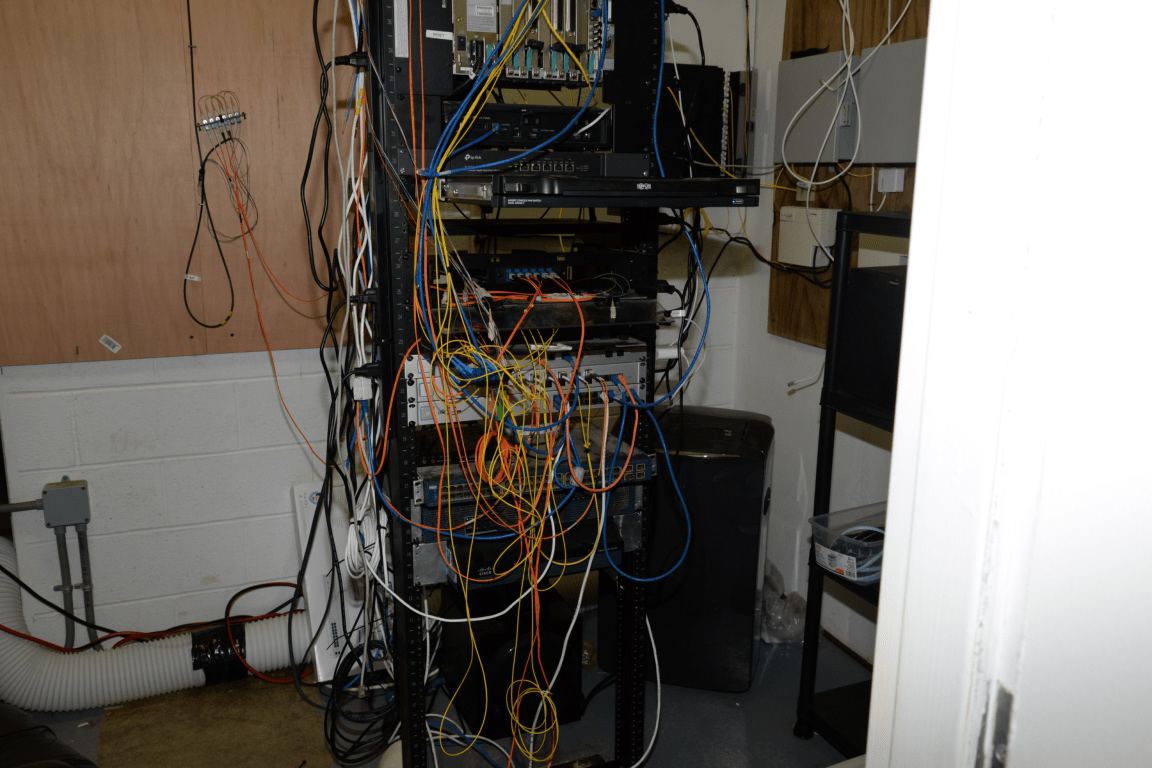
Mesh networks are giving neighbourhoods a way to stay connected when their main internet link fails, by passing data from rooftop to rooftop until it reaches a working connection. Instead of relying on a single cable or exchange, each node in a mesh relays traffic for its neighbours, and the network automatically reroutes around damaged or switched-off equipment. Community groups have built such systems in areas poorly served by commercial providers, while emergency planners value them after storms and floods knock out conventional infrastructure. Modern mesh equipment is far simpler than early experimental rigs: compact radios configure themselves, find neighbours and adjust power to save energy. Speeds will not rival full fibre, but they comfortably support messaging, browsing, schoolwork and local services hosted within the neighbourhood itself. Some networks run community noticeboards, library catalogues and VoIP calling that keep working even when the wider internet does not. The model raises interesting questions about ownership, because infrastructure maintained by residents answers to residents. As extreme weather exposes the fragility of centralised systems, the mesh approach is attracting serious attention from councils and housing associations alike.
What the Evidence Shows
Running a community mesh network turns out to be as much a social project as a technical one. Volunteers host nodes on roofs and balconies, share electricity costs that amount to pennies a month and learn basic networking skills through maintaining their own link. Successful projects document everything, train new installers and keep spare equipment ready so a single failure never isolates a street. Funding usually mixes small subscriptions, grants and contributions from local businesses that benefit from a more connected area. Technical challenges remain, particularly where tall buildings block signals or where many networks compete for the same radio spectrum. Newer radios that can switch channels and use directional antennas have eased both problems considerably. Security practices matter, since traffic hops across neighbours’ equipment; modern mesh software encrypts links by default and separates guest access from private home networks. Advocates argue the deepest benefit is resilience of a different kind: a community that builds its own communications understands them, repairs them quickly and trusts them when official channels fail. That combination of modest technology and local knowledge is difficult for any centralised provider to replicate. Reporting and analysis from sources such as Wired track the same developments, and specialists following the community mesh network say the direction is now consistent across independent lines of evidence.
The Wider Context
The wider context is an industry learning to ship capability and restraint together. Products built around the community mesh network now launch with safety evaluations, usage data and rollback plans as standard, because enterprise buyers and regulators ask for them in the first meeting. Companies that treated those questions as friction are discovering they have become the purchase criteria.
What Happens Next
What happens next for the community mesh network depends less on another breakthrough than on the unglamorous work of reliability, pricing and support. The buyers evaluating it now are not enthusiasts; they are operators with budgets and auditors, and their checklists will decide the timeline. On the evidence of the current pilots, the technology has earned the right to be judged by them. You can follow related developments in our coverage of technology.
None of this will be settled by a single announcement, study or product launch. The pattern to watch is accumulation: independent confirmations, honest reporting of failures and steady improvement in the underlying numbers. Readers who follow those signals, rather than the loudest claim of the week, will understand this subject better than most of the commentary surrounding it suggests is possible.
