


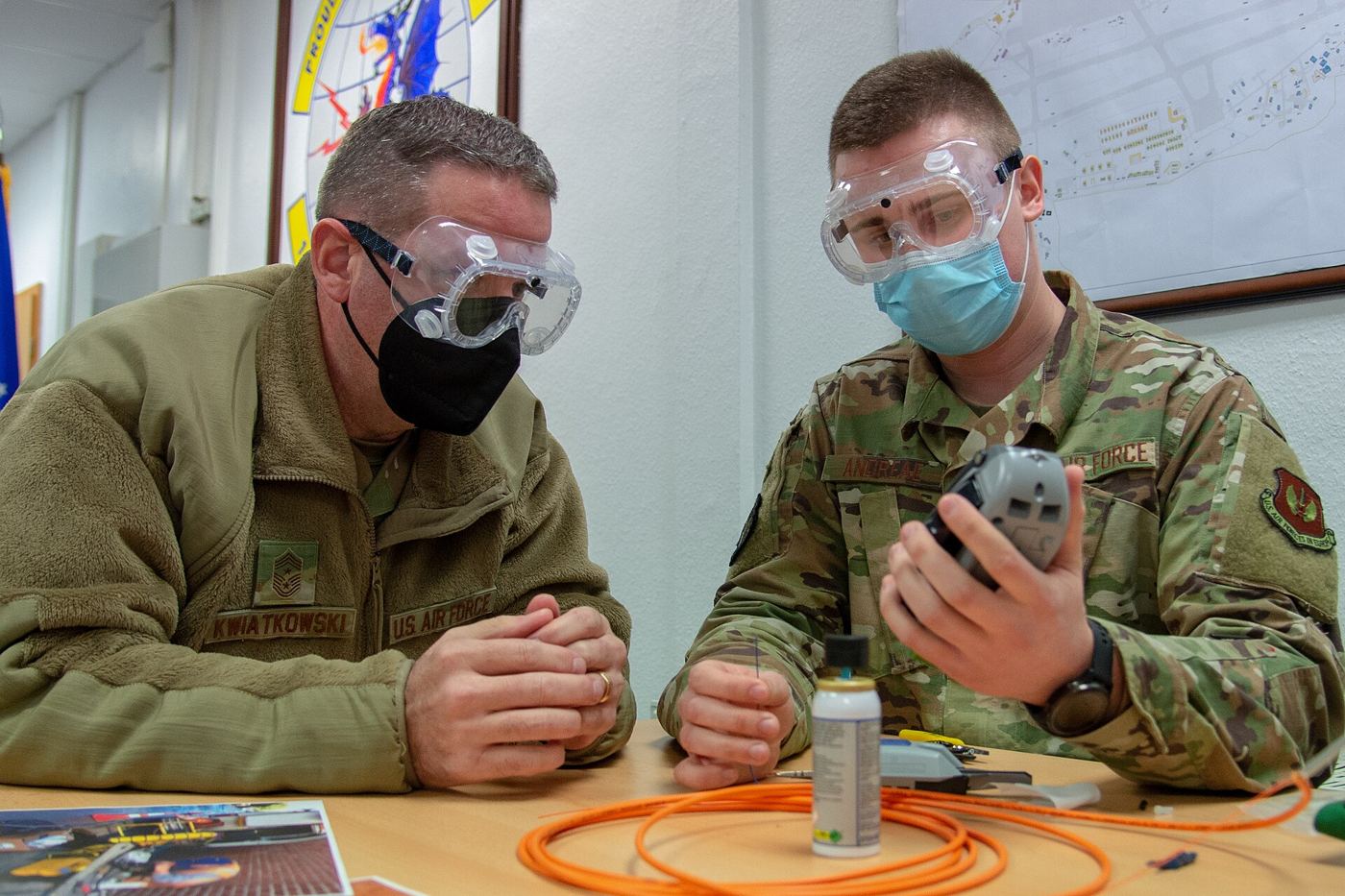
The slowest part of bringing fast broadband to a street is rarely the fibre itself, which is thinner than a human hair, but the crowded underground ducts it must pass through. Many city ducts were laid decades ago and are now packed with older cables, silt and unexpected bends, so installation crews can spend hours coaxing a new line past blockages they cannot see. To speed the work, engineers are deploying small guide robots that travel inside the duct ahead of the cable, mapping obstructions with cameras and sensors and gently clearing loose debris as they go. Some models pull a lightweight draw line behind them, which the crew then uses to haul the fibre through smoothly, while others blow the cable forward on a cushion of air under precise control. Trial projects report that difficult runs which once required digging trial holes can now be completed from existing access chambers, cutting both cost and disruption for residents. For network builders under pressure to connect rural towns and dense apartment blocks alike, shaving hours off each installation adds up to a meaningful difference across thousands of streets.
What the Evidence Shows
The robots are also changing how crews plan their day, because a quick inspection run can reveal exactly what is inside a duct before anyone commits heavy equipment to the job. If a passage is collapsed or flooded, that bad news arrives early, and the team can reroute or schedule repairs instead of discovering the problem with a cable already half installed. Data gathered by the inspection units feeds into network maps that were previously little more than educated guesses, giving operators a truer record of their underground assets for future maintenance. Manufacturers stress that the machines assist rather than replace skilled technicians, who still make the splices, test signal quality and handle the many quirks of older buildings. Training programmes now include robot operation alongside traditional cabling skills, and experienced installers say the technology is most valuable on the awkward minority of jobs that used to consume an entire day. As governments fund wider broadband rollouts, the bottleneck of skilled labour and blocked ducts has become a genuine constraint. Reporting and analysis from sources such as Wired track the same developments, and specialists following the duct-threading fibre robots say the direction is now consistent across independent lines of evidence.
The Wider Context
The wider context is an industry learning to ship capability and restraint together. Products built around the duct-threading fibre robots now launch with safety evaluations, usage data and rollback plans as standard, because enterprise buyers and regulators ask for them in the first meeting. Companies that treated those questions as friction are discovering they have become the purchase criteria.
What Happens Next
What happens next for the duct-threading fibre robots depends less on another breakthrough than on the unglamorous work of reliability, pricing and support. The buyers evaluating it now are not enthusiasts; they are operators with budgets and auditors, and their checklists will decide the timeline. On the evidence of the current pilots, the technology has earned the right to be judged by them. You can follow related developments in our coverage of technology.
None of this will be settled by a single announcement, study or product launch. The pattern to watch is accumulation: independent confirmations, honest reporting of failures and steady improvement in the underlying numbers. Readers who follow those signals, rather than the loudest claim of the week, will understand this subject better than most of the commentary surrounding it suggests is possible.
