


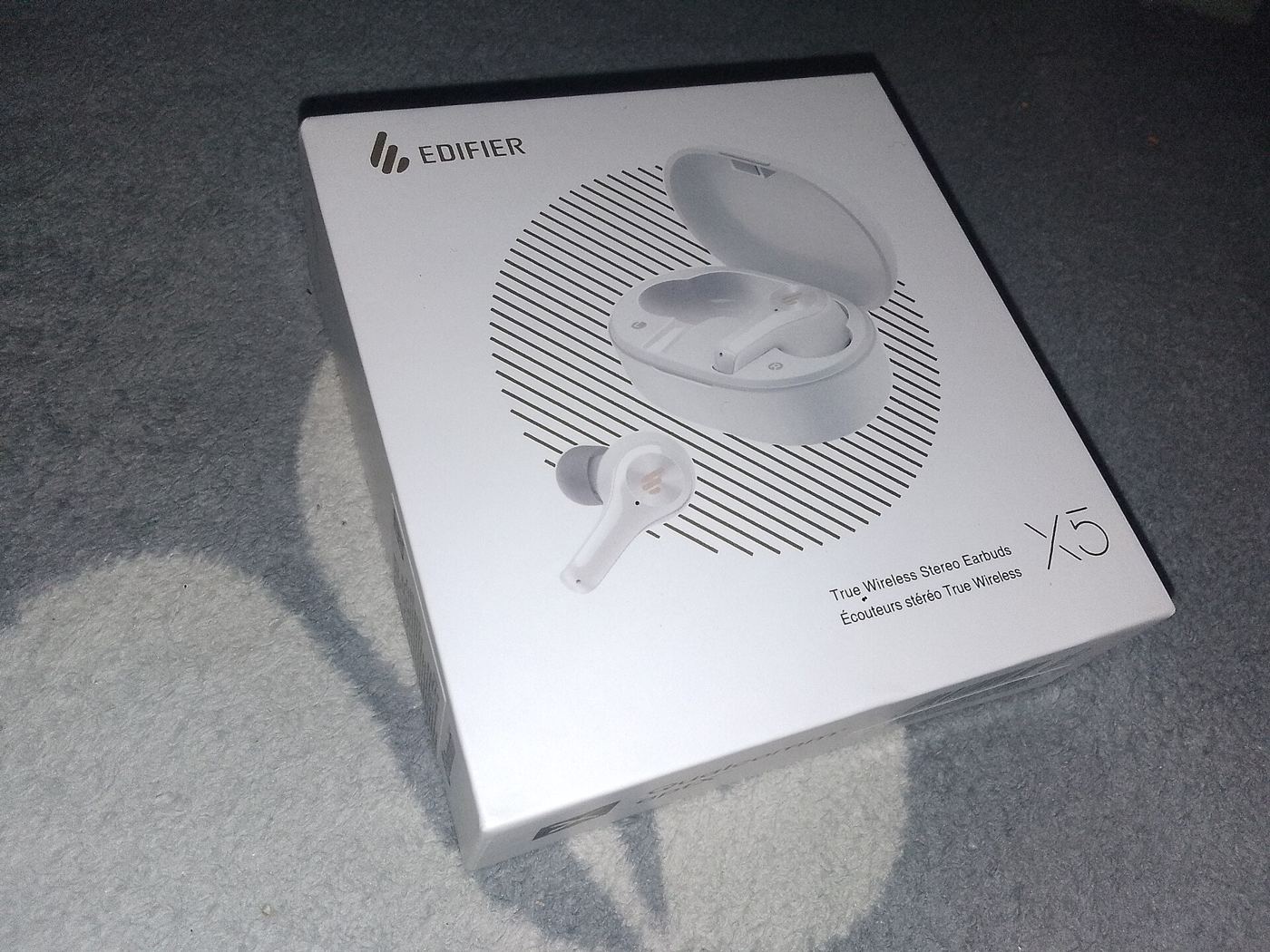
Wireless earbuds began as a convenient way to listen to music and take calls without cables, but manufacturers are now adding live translation features aimed at travellers, international students and multilingual workplaces. In a typical conversation, a phone listens to one speaker, translates the speech and plays the result discreetly into an earbud, allowing both people to keep eye contact instead of passing a handset back and forth. The technology works best for clear, everyday exchanges such as asking directions, checking into a hotel, ordering food or confirming a meeting time. It is less reliable with slang, heavy background noise, strong accents or technical language, which is why experienced travellers still treat it as help rather than a complete substitute for learning key local phrases. Battery life remains a practical limit during long days of sightseeing or conferences, so many travellers use translation in short bursts for key conversations and keep a translation app ready as backup when earbuds need recharging between uses.
What the Evidence Shows
Privacy and accuracy are the other concerns shaping adoption, because translation usually depends on cloud processing and on microphones listening in public places. Providers are adding on-device options for common languages, clearer recording indicators and controls that delete conversation history. For businesses, the appeal is practical, supporting front-desk staff, delivery teams and conferences without hiring interpreters for every short interaction. For travellers, the change is more personal, lowering the stress of small misunderstandings abroad. The earbuds do not remove the need for patience and courtesy, but they can turn a conversation that might have stalled into one that continues naturally, with both sides understanding enough to carry on. Language specialists note that the systems handle polite, transactional exchanges far better than humour, negotiation or emotional conversations, where tone and cultural context matter as much as individual words and a human interpreter remains the safer choice. Reporting and analysis from sources such as Wired track the same developments, and specialists following earbud live translation say the direction is now consistent across independent lines of evidence.
The Wider Context
The wider context is an industry learning to ship capability and restraint together. Products built around earbud live translation now launch with safety evaluations, usage data and rollback plans as standard, because enterprise buyers and regulators ask for them in the first meeting. Companies that treated those questions as friction are discovering they have become the purchase criteria.
What Happens Next
What happens next for earbud live translation depends less on another breakthrough than on the unglamorous work of reliability, pricing and support. The buyers evaluating it now are not enthusiasts; they are operators with budgets and auditors, and their checklists will decide the timeline. On the evidence of the current pilots, the technology has earned the right to be judged by them. You can follow related developments in our coverage of technology.
None of this will be settled by a single announcement, study or product launch. The pattern to watch is accumulation: independent confirmations, honest reporting of failures and steady improvement in the underlying numbers. Readers who follow those signals, rather than the loudest claim of the week, will understand this subject better than most of the commentary surrounding it suggests is possible.
