


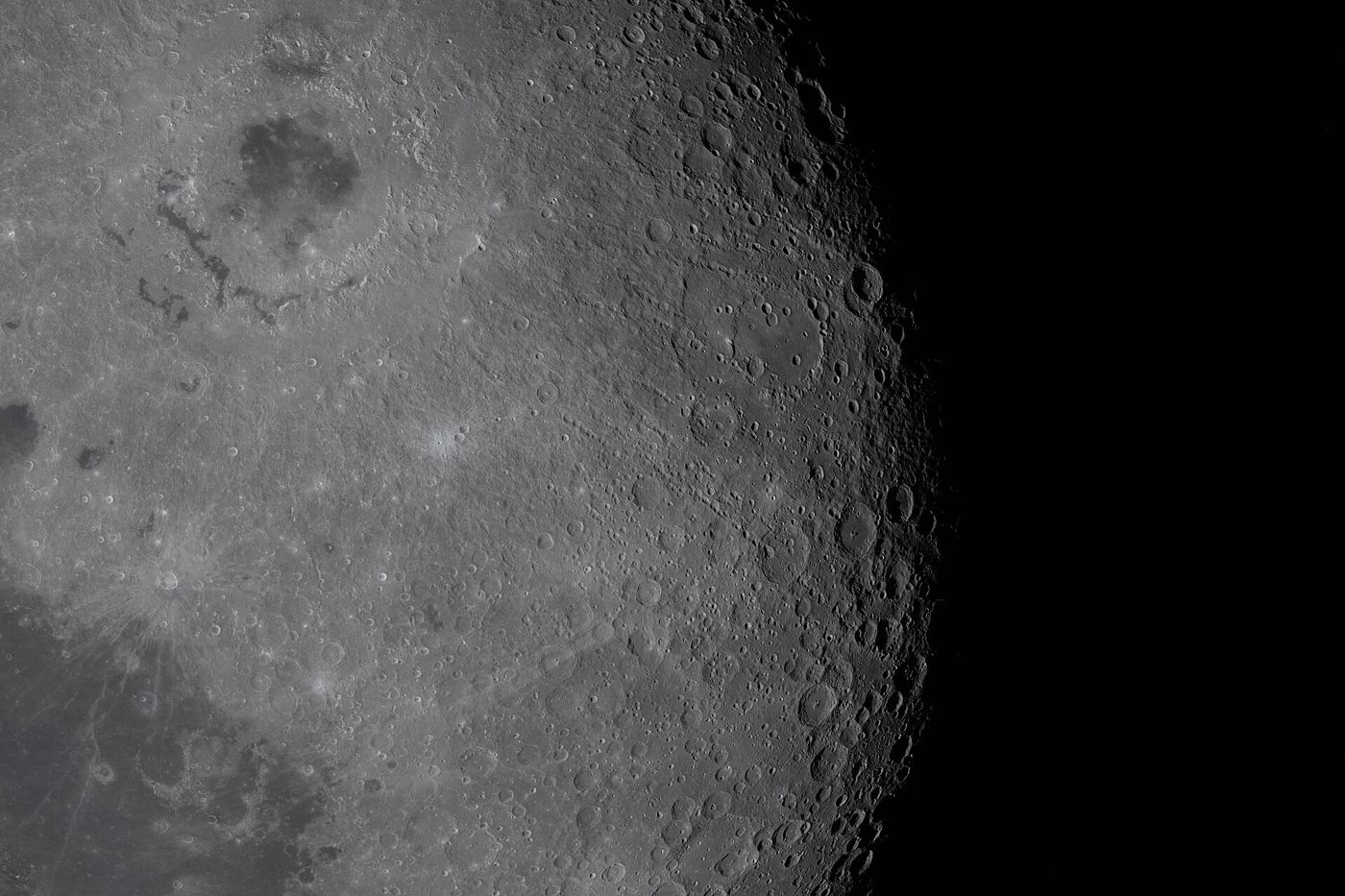
Moon dust sounds harmless, but engineers regard it as one of the most serious obstacles to working on the lunar surface for long periods. Unlike Earth dust, lunar particles have never been weathered smooth, so they are sharp, abrasive and electrostatically clingy, working their way into seals, scratching visors and coating solar panels and radiators until equipment overheats or fails. With renewed plans for sustained lunar missions, laboratories are testing defences against the dust using simulated material that mimics its awkward properties. Approaches under trial include special coatings that make particles less likely to stick, electric fields that sweep dust off surfaces without touching them and redesigned seals and connectors that tolerate contamination rather than demanding perfect cleanliness. Astronaut accounts from the Apollo era, when dust damaged equipment and irritated lungs inside the cabin, are being studied alongside the experiments, a reminder that the problem was documented decades ago but never solved because missions were short and widely spaced apart in time.
What the Evidence Shows
Testing dust defences convincingly on Earth is difficult, because gravity, air and moisture all change how particles behave. Researchers use vacuum chambers, drop towers and parabolic flights to approximate lunar conditions, and small experiments flown to the Moon itself are beginning to return direct evidence of which coatings and cleaning systems survive real exposure. The stakes are practical rather than abstract: a habitat or power system intended to operate for years cannot depend on astronauts constantly brushing down surfaces in bulky suits. Dust mitigation is therefore being written into design requirements from the start, influencing everything from airlock layouts to the texture of spacesuit fabrics. Scientists note an additional benefit for planetary protection and health research, since understanding how sharp mineral dust interacts with lungs and machinery applies to Mars missions as well. Solving the dust problem will rarely make headlines, but mission planners are clear that without a solution, every other lunar ambition becomes harder, riskier and considerably more expensive to sustain. Reporting and analysis from sources such as NASA track the same developments, and specialists following the lunar dust protection experiments say the direction is now consistent across independent lines of evidence.
The Wider Context
Funding bodies are watching the lunar dust protection experiments closely because the work sits at the junction of basic curiosity and practical return. Grant panels increasingly ask for a path from discovery to application, while researchers push back that the most valuable uses of fundamental science are rarely the ones written into the original proposal. The tension is productive when both sides stay honest about timescales.
What Happens Next
The long view on the lunar dust protection experiments is that fields advance by accumulation rather than by single announcements. This result adds a solid, checkable piece to a structure many teams are building, and its authors have shared their data so the piece can be tested from every side. That is how the picture eventually becomes reliable enough to act on. You can follow related developments in our coverage of science.
It is also worth remembering how quickly the picture in this area has changed before. Positions that looked settled a few years ago have been revised as new data arrived, and the same humility is appropriate now. The strongest coverage of this subject, and the most useful advice, tends to come from sources that update their views openly when the facts move, rather than defending an earlier position long after it has stopped fitting the evidence available.
