


Psoriasis is a chronic autoimmune condition that primarily affects the skin, leading to the rapid production of skin cells. Usually, skin cells grow and shed over weeks, but in people with psoriasis, this process occurs much more quickly, often in just a few days. This results in the buildup of skin cells, forming scaly, red patches that can be itchy and sometimes painful.
The progression of psoriasis can vary significantly from person to person. While some may experience occasional flare-ups followed by periods of remission, others may face more persistent or severe symptoms. Understanding how psoriasis progresses is crucial for managing the condition, as it can influence treatment approaches and help people with psoriasis better anticipate and cope with changes in their symptoms over time. Factors like genetics, immune system activity, environmental triggers, and overall health can all play a role in how the disease advances.
Psoriasis is a chronic autoimmune disease that primarily affects the skin. It causes accelerated skin cell turnover, which leads to the formation of thick, scaly patches that can be uncomfortable and often visible. While psoriasis can manifest differently in each person, understanding how the disease progresses is essential for managing symptoms and improving quality of life. In this article, we’ll explore the stages and factors that influence the progression of psoriasis.
What is Psoriasis?
At its core, psoriasis is a condition where the immune system mistakenly attacks healthy skin cells, causing them to multiply rapidly. Under normal circumstances, skin cells grow and shed in a continuous cycle over weeks. In psoriasis, however, this cycle is shortened to just a few days, leading to an accumulation of immature skin cells that form thick, scaly plaques. These plaques often appear on the scalp, elbows, knees, or lower back but can develop anywhere on the body.
The Stages of Psoriasis
Psoriasis does not always follow a linear progression, but the disease can go through different phases or stages depending on the individual. Here’s an overview of how psoriasis typically progresses:
Initial Onset:
For many people, psoriasis begins in childhood or early adulthood. The first signs might be a small, isolated patch of redness or flaking skin. This initial patch could appear anywhere on the body, though it often starts on areas that are prone to friction or injury, such as the elbows, knees, or scalp. The appearance of psoriasis may be sudden and alarming, but it’s often treatable with topical therapies.
Flare-ups:
Psoriasis is characterized by flare-ups, or periods when symptoms worsen. Flare-ups can be triggered by various factors such as stress, infections, weather changes, or the use of certain medications. During a flare-up, the plaques may become more inflamed, redder, and thicker. This stage often includes intense itching, scaling, and in some cases, pain. The frequency and intensity of flare-ups vary greatly from person to person, with some experiencing them occasionally and others enduring more frequent or severe outbreaks.
Chronic Phase:
In many cases, psoriasis becomes a chronic condition. Individuals may have recurring flare-ups, but the severity of the symptoms may vary from one episode to another. Some people experience long periods of remission, where their symptoms diminish or disappear altogether. However, the disease can still progress over time, and symptoms may return with increasing frequency or intensity as a person ages.
May you also like it:
What to Expect During Your Pets Veterinary Visit
How To Earn From Youtube Shorts
Best Fitness Trackers To Buy Right Now
Complications and Co-existing Conditions:
As psoriasis progresses, it can lead to complications beyond the skin. One of the most significant is psoriatic arthritis, a painful inflammatory condition that affects the joints. About 30% of people with psoriasis will eventually develop psoriatic arthritis, which can cause joint pain, swelling, and stiffness. Psoriasis is also linked to other health issues, such as cardiovascular disease, depression, and metabolic syndrome, all of which can further impact a person’s well-being.
Severe Cases:
In some individuals, psoriasis may progress to more severe forms, such as erythrodermic psoriasis or pustular psoriasis. Erythrodermic psoriasis causes widespread redness, skin shedding, and intense itching and can be life-threatening if not treated promptly. Pustular psoriasis is marked by white pustules surrounded by red skin, often occurring on the hands and feet. These severe forms are relatively rare, but they can present a more significant challenge for both patients and healthcare providers.
Factors That Influence Psoriasis Progression
A combination of genetic, environmental, and lifestyle factors influences the progression of psoriasis. Here are a few key elements that may affect how the disease evolves over time:
- Genetics:
Psoriasis has a strong genetic component. If you have a family history of the disease, you may be more likely to develop it yourself. Specific genetic mutations, particularly in the immune system’s response, have been linked to the development and progression of psoriasis. - Immune System Activity:
The immune system plays a central role in psoriasis. Overactive T-cells attack healthy skin cells, causing rapid skin cell turnover. How well your immune system is regulated can affect the severity of your psoriasis. Autoimmune responses can also vary over time, leading to periods of increased flare-ups or improved symptom control. - Triggers:
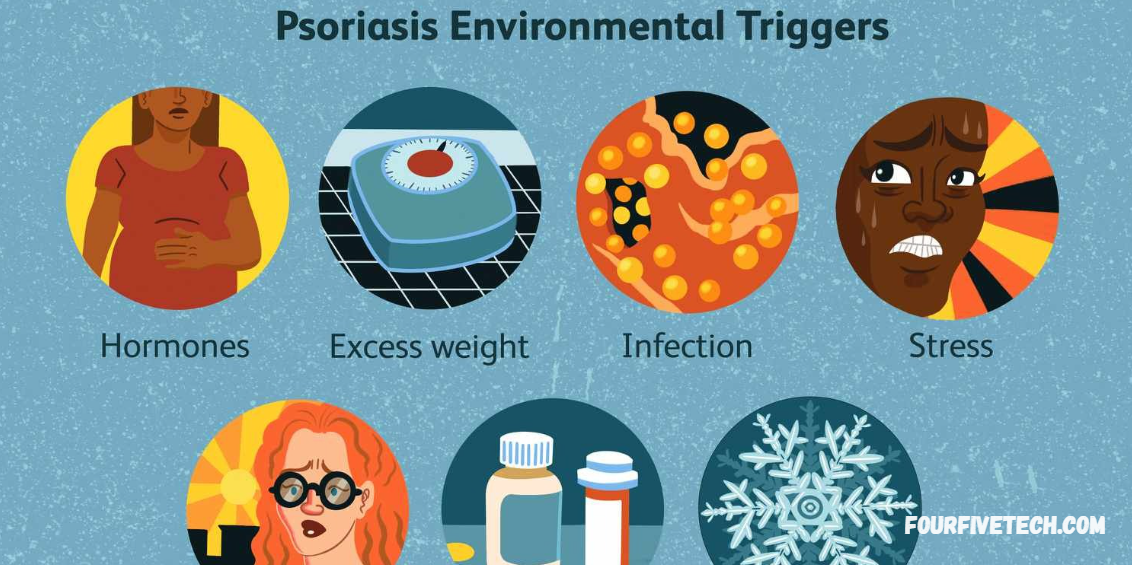
Environmental factors, known as triggers, can have a profound effect on the progression of psoriasis. These triggers include:- Stress: Emotional stress can lead to flare-ups or make existing symptoms worse.
- Infections: Strep throat, skin infections, or respiratory infections can trigger a psoriasis flare.
- Medications: Certain drugs, including lithium, antimalarials, and beta-blockers, can exacerbate psoriasis.
- Weather: Cold, dry air can worsen psoriasis, while sun exposure can sometimes help clear the skin.
- Lifestyle Choices:
Lifestyle factors, such as smoking, alcohol consumption, and diet, can impact how psoriasis progresses. Smoking and excessive alcohol use are linked to an increased risk of severe psoriasis. A healthy lifestyle with regular exercise, a balanced diet, and stress management techniques can help manage the condition. - Treatment Response:
How effectively a person responds to treatments plays a significant role in the progression of the disease. Topical therapies (e.g., corticosteroids or vitamin D analogs), phototherapy, and systemic treatments (e.g., biologics or oral medications) can help reduce inflammation and slow down the rapid skin cell turnover. Regular and effective treatment may prevent flare-ups from becoming severe and can help maintain periods of remission.
Can Psoriasis Be Stopped from Progressing?
While there is currently no cure for psoriasis, the progression of the disease can often be managed with proper treatment. Advances in therapies, including biologics that target specific immune system molecules, have significantly improved the outlook for people with psoriasis. Early diagnosis and a personalized treatment plan can help slow the progression of the disease and reduce the frequency of flare-ups.
Managing triggers, maintaining a healthy lifestyle, and working closely with healthcare providers to adjust treatments as necessary can also help people living with psoriasis experience fewer complications as the disease progresses.
Frequently Asked Questions
How does psoriasis typically progress over time?
Psoriasis progresses differently in each person, but in general, it can start with mild, isolated patches of skin, which may eventually flare up more frequently or become more severe over time. Some people experience long periods of remission where symptoms subside, while others may face more persistent flare-ups. In severe cases, psoriasis can lead to complications such as psoriatic arthritis, which affects the joints.
Can psoriasis go away on its own?
Psoriasis is a chronic condition, meaning it doesn’t completely go away. However, some people experience long periods where their symptoms improve or even disappear, known as remission. While it may seem like psoriasis has “gone away,” it can return, often triggered by factors such as stress, illness, or medication changes.
Does psoriasis always get worse over time?
Not necessarily. While psoriasis is a chronic condition, it doesn’t continually worsen with time. The severity of the disease can vary. Some people may experience mild symptoms and long periods of remission, while others may see the condition progress to more severe forms like erythrodermic psoriasis or pustular psoriasis. Early treatment and lifestyle adjustments can help manage and reduce the severity of flare-ups.
Can lifestyle choices impact the progression of psoriasis?
Yes, lifestyle choices play an essential role in managing psoriasis. Smoking and excessive alcohol consumption can increase the severity of psoriasis and make flare-ups more frequent. A healthy diet, regular exercise, and good stress management can help reduce inflammation and improve overall skin health, potentially slowing the progression of the disease.
Can psoriasis be cured?
Currently, there is no cure for psoriasis. However, a variety of treatment options can help control symptoms, reduce flare-ups, and improve quality of life. These include topical treatments, phototherapy, and systemic treatments (such as biologics or oral medications). Early intervention and a personalized treatment plan can make a significant difference in managing the condition over time.
What is the role of biologic treatments in managing psoriasis?
Biologics are a newer class of medications that target specific parts of the immune system responsible for psoriasis. These treatments have proven to be effective for moderate to severe psoriasis and can help reduce inflammation, slow skin cell turnover, and decrease the severity of symptoms. Biologics are typically used when other treatments are ineffective or if the psoriasis is severe or widespread.
Does psoriasis affect other areas of health?
Yes, psoriasis can have an impact on other areas of health. People with psoriasis are at a higher risk for developing psoriatic arthritis, which affects the joints, as well as other conditions like heart disease, diabetes, and high blood pressure. Psoriasis has also been associated with mental health issues, particularly depression and anxiety, due to the social and emotional impact of the disease.
Conclusion
Psoriasis is a chronic autoimmune condition that can vary significantly in its progression from person to person. While it typically starts with mild skin patches and can flare up at different intervals, the disease may become more severe or persistent in some individuals. Over time, flare-ups can lead to the development of complications such as psoriatic arthritis, cardiovascular issues, and mental health concerns like depression and anxiety.
Several factors influence the progression of psoriasis, including genetics, immune system activity, environmental triggers, and lifestyle choices. While there is no cure for psoriasis, effective management strategies—such as medications, lifestyle adjustments, and identifying and avoiding triggers—can significantly improve symptoms and slow disease progression. Early treatment and a proactive approach to managing psoriasis are essential for maintaining a better quality of life.