


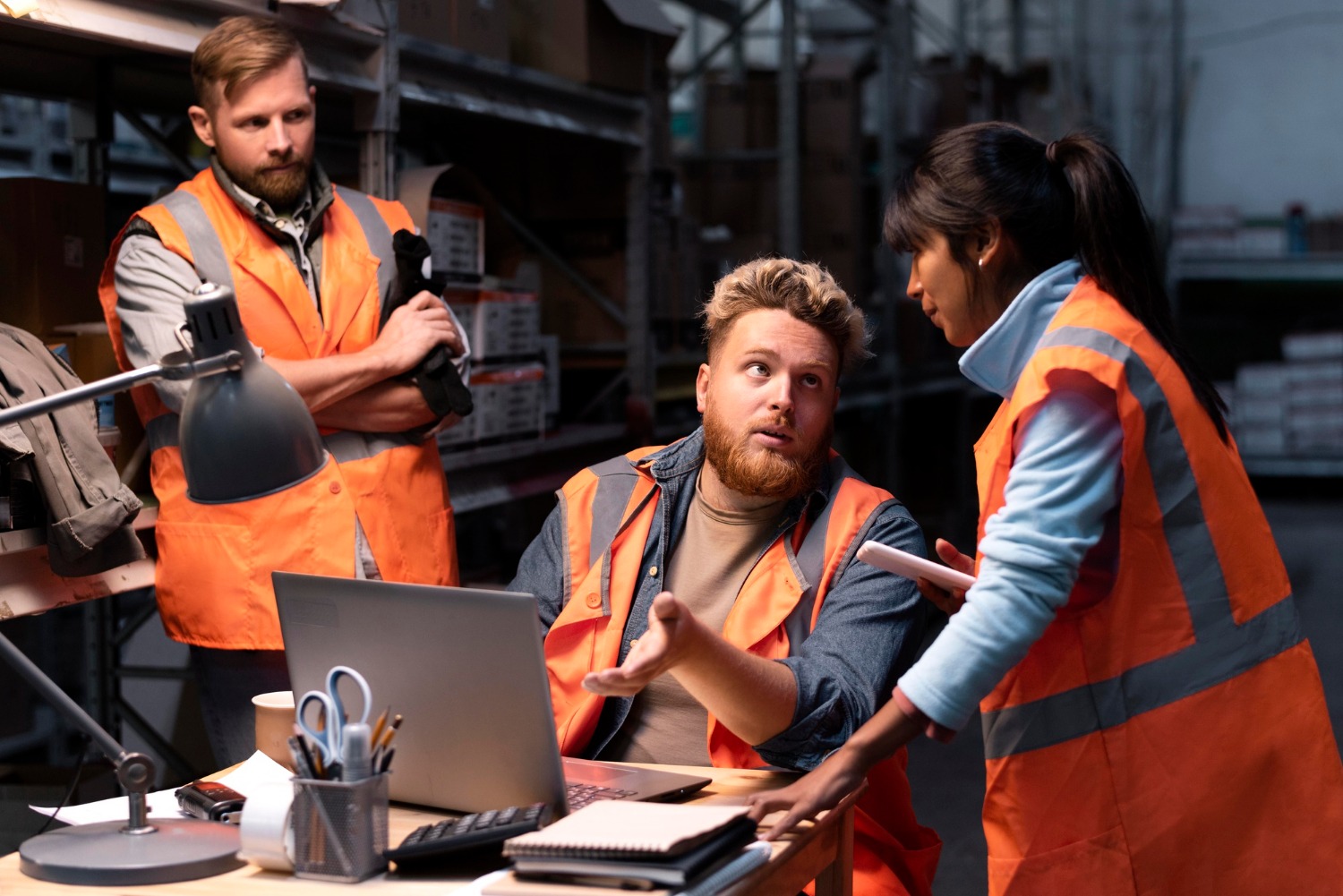
High-risk industrial environments contain numerous hazards that can lead to serious injuries or fatalities. Managing access to areas with moving vehicles, heavy machinery, or hazardous materials presents a constant challenge for safety managers. Preventing unauthorized personnel from entering these dangerous spaces is fundamental to maintaining a safe workplace and avoiding operational disruptions.
Establishing Clear Boundaries
The first step in managing hazardous areas is to clearly define them. Restricted zones are spaces where specific dangers exist, requiring special precautions or authorization for entry. These can range from pedestrian-free walkways in a busy warehouse to exclusion areas around robotic arms on a production line. Proper identification of these zones is the foundation of a successful safety strategy.
Methods for Demarcation
Physical barriers like guardrails and gates are common methods for marking restricted areas. They provide a tangible separation between safe and hazardous zones. Visual cues are also essential. Painted lines on the floor, prominent signage, and flashing lights help reinforce the boundaries and alert workers to potential dangers. The goal is to make these zones impossible to ignore.
Communication and Training
Demarcation alone is not enough. A comprehensive training program ensures every employee and visitor recognizes the meaning of different signs, signals, and floor markings. Regular safety briefings should reinforce the rules for entering restricted zones and the specific hazards present within them. When everyone on site shares a common recognition of these areas, the risk of accidental entry decreases significantly.
Enhancing Zone Safety with Monitoring
While physical barriers and signage are foundational, they can have limitations. Gates can be left open, and signs can be overlooked, especially during busy operational periods. Modern approaches supplement these traditional methods with active monitoring to provide an additional layer of protection. These systems can detect unauthorized entries in real time.
Real-Time Alerts and Intervention
Technology can monitor restricted zones continuously. When a person or vehicle crosses into a designated high-risk area without authorization, the system can generate an immediate alert. This allows supervisors to intervene quickly before an incident occurs. This proactive approach shifts safety management from reactive investigation to preventative action.
Gathering Data for Improvement
Monitoring systems also provide valuable data on zone incursions. Analyzing this information helps safety teams identify hotspots where breaches frequently happen. This insight allows for targeted improvements, such as redesigning a work area, adding more explicit warnings, or adjusting operational workflows to reduce the need for personnel to be near a hazard.
The Broader Benefits of Controlled Access
Implementing a structured approach to restricted zones delivers benefits that extend beyond simple compliance. It cultivates a stronger safety culture where every individual becomes more aware of their surroundings and the importance of following safety protocols.
- A reduction in workplace accidents and near-miss incidents involving vehicles or machinery.
- Improved operational continuity by preventing accidents that lead to costly downtime and investigations.
- Enhanced employee confidence and morale, as workers feel more secure in their environment.
- Actionable data that supports continuous improvement of safety policies and procedures.
Adopting Advanced Solutions for Area Control
Maintaining safe and efficient operations requires a multi-layered approach to managing restricted zones. While traditional methods establish a baseline, technology offers a path to greater reliability and proactive risk management. For organizations looking to strengthen their safety measures, an AI-powered area control safety solution can provide the continuous monitoring and real-time alerts needed to prevent incidents. These systems help enforce safety rules consistently, protecting people and productivity in complex industrial settings.