


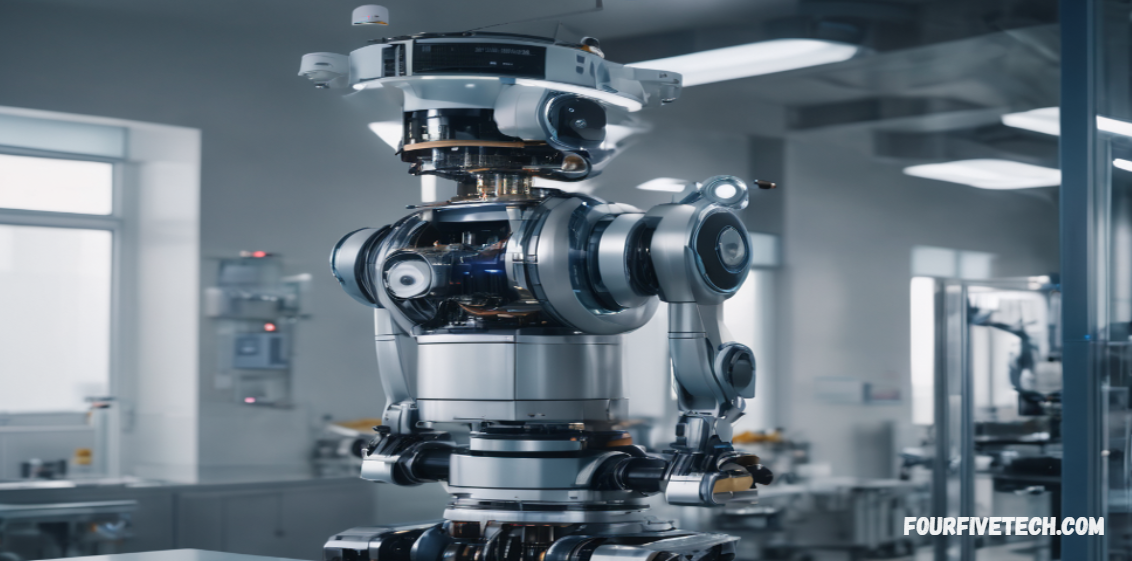
The integration of AI-powered automation and robotics represents a transformative shift in industry operations, offering substantial gains in efficiency and precision across a wide array of sectors. As organizations increasingly embrace these advanced technologies, the potential for enhanced productivity is clear. However, this rapid adoption brings with it significant ethical concerns and challenges related to workforce displacement. The promise of automation is tempered by its impact on employment and the growing risks to data privacy and security.
Implement thoughtful measures that address these challenges to ensure that technological progress aligns with societal values. Ethical frameworks must be established to guide the development and deployment of automation, prioritizing transparency, fairness, and accountability. Additionally, proactive steps, such as retraining and reskilling programs, can help mitigate the effects of job displacement and ensure that workers are equipped for new roles in an evolving economy.
As automation continues to shape the future of work, a balanced approach will be required—one that embraces innovation while safeguarding the well-being of individuals and communities. By aligning technological advancements with ethical considerations and societal needs, we can ensure a future where progress benefits all stakeholders.
The Rise of AI-Powered Automation and Robotics
AI-powered automation refers to the use of artificial intelligence to perform tasks that traditionally required human intervention. This can include decision-making, data analysis, and the operation of machines or systems. Robotics, on the other hand, involves the use of robots—machines designed to carry out a series of tasks, often autonomously or semi-autonomously, with minimal human oversight.
When combined, AI and robotics create highly adaptable systems capable of performing complex tasks across various industries. These systems can learn from experience, improve their performance over time, and operate with minimal human input. In sectors such as manufacturing, robotics and AI can streamline production processes, reduce human error, and optimize supply chain management. In healthcare, AI-driven robots assist with surgery, patient care, and diagnostic tasks, improving precision and reducing the risk of mistakes.
Key Benefits of AI-Powered Automation and Robotics
- Increased Efficiency: One of the most compelling advantages of AI-powered automation is its ability to operate at a speed and scale that far surpasses human capabilities. Machines can work around the clock without breaks, leading to substantial productivity gains. This continuous operation allows businesses to meet growing demand without the need for additional human resources.
- Enhanced Precision: AI and robotics are particularly well-suited for tasks that require high levels of accuracy. In fields such as manufacturing, robots equipped with AI can perform repetitive tasks with minimal error, leading to higher-quality products and reduced waste. In healthcare, AI-powered diagnostic tools and robotic surgery systems are helping medical professionals make more accurate diagnoses and perform complex procedures with greater precision.
- Cost Reduction: Over time, automation can significantly reduce operational costs. By replacing manual labor with machines, businesses can lower labor costs, increase throughput, and reduce the likelihood of costly errors. Additionally, AI algorithms can optimize supply chains and production schedules, helping companies save on materials and logistics.
- Improved Safety: In industries such as construction, mining, and agriculture, AI-powered robots can take over dangerous tasks, minimizing the risk of injury or harm to human workers. Robots can operate in hazardous environments, such as toxic gas areas or extreme temperatures, where human presence would be unsafe.
- Innovation and New Opportunities: As automation takes over more routine tasks, workers are freed up to focus on higher-value activities such as problem-solving, strategy, and creativity. This shift has the potential to unlock new opportunities for innovation and business growth.
Challenges and Ethical Considerations
Despite its promising benefits, the integration of AI-powered automation and robotics also brings significant challenges, particularly in terms of societal impact and ethical considerations.
- Job Displacement: Perhaps the most widely discussed issue is the potential for job displacement. As machines take over routine and repetitive tasks, many workers may find their roles redundant. This shift could lead to significant unemployment in certain sectors, particularly for low-skilled workers. While automation creates new job opportunities in some fields, these positions may require different skill sets, leaving many workers at risk of being left behind.
- Data Privacy and Security: AI and robotics rely heavily on data to function. As businesses collect and process large volumes of data, there are concerns about how that data is stored, shared, and protected. AI systems may inadvertently expose sensitive information, and breaches could lead to severe consequences, both for individuals and organizations. Ensuring robust data privacy and cybersecurity measures is essential to mitigate these risks.
- Ethical Dilemmas: The use of AI and robots raises numerous ethical questions, particularly in areas such as healthcare and law enforcement. For example, should AI systems be allowed to make life-or-death decisions in medical procedures or autonomous vehicles? What happens if a robot malfunctions and causes harm? As AI systems become more autonomous, it’s crucial to establish clear ethical guidelines and accountability measures to ensure that these technologies are used responsibly.
- Economic Inequality: While automation can drive efficiency and growth, there is concern that the benefits will not be evenly distributed. Large corporations with the resources to implement AI-powered systems may gain a competitive advantage, potentially widening the gap between rich and poor nations or businesses. To address this, policymakers must ensure that the benefits of automation are shared equitably across society.
May you also like it:
How To Install This Project Management Tool On Your Home Network
Balancing Progress with Responsibility
As AI-powered automation and robotics continue to reshape industries, it’s essential to find a balance between technological advancement and societal responsibility. Governments, businesses, and workers alike must collaborate to create policies that promote the responsible use of these technologies.
- Reskilling and Education: To mitigate job displacement, it’s vital to invest in reskilling and education programs that equip workers with the skills needed to thrive in an automated world. By offering training in areas such as AI programming, data analysis, and robotics maintenance, individuals can stay relevant in the job market and transition to new roles.
- Ethical Frameworks: Clear ethical frameworks must be developed to guide the use of AI and robotics in sensitive areas. These guidelines should focus on fairness, transparency, accountability, and human oversight, ensuring that these technologies are used in ways that align with societal values.
- Collaboration Across Sectors: Collaboration between government, industry leaders, and the public is key to navigating the complex challenges posed by automation. Open dialogue about the potential risks and rewards can lead to policies that promote innovation while protecting workers’ rights and well-being.
The Future of Work in an Automated World
The future of work in a world dominated by AI-powered automation and robotics will look dramatically different from today. While certain jobs may disappear, many new roles will emerge, requiring workers to adapt and develop new skills. The key to a successful transition lies in ensuring that automation benefits society as a whole—not just a select few.
By adopting a forward-thinking approach that includes ethical considerations, reskilling programs, and careful regulatory oversight, we can harness the full potential of AI and robotics while minimizing the risks. As we move into this new era, the future of work will be one where humans and machines collaborate to create a more efficient, innovative, and prosperous world.
Frequently Asked Questions
What is AI-powered automation?
AI-powered automation refers to the use of artificial intelligence to perform tasks traditionally carried out by humans. It involves leveraging AI algorithms to analyze data, make decisions, and control machines or systems autonomously, without human intervention. This technology is often combined with robotics to perform complex tasks in industries such as manufacturing, healthcare, and logistics.
How do robotics and AI work together?
Robotics and AI work in tandem to create autonomous systems capable of carrying out physical tasks with minimal human input. While robots handle the mechanical aspects of tasks, AI enables them to make intelligent decisions, learn from experience, and adapt to changing conditions. This combination allows robots to perform tasks that require precision, flexibility, and problem-solving.
How will AI-powered automation affect jobs?
AI-powered automation has the potential to replace repetitive and low-skilled jobs, especially in areas like manufacturing, transportation, and customer service. However, it also creates new opportunities for jobs that require advanced skills, such as AI development, robotics maintenance, and data analysis. The challenge lies in ensuring workers are reskilled to take advantage of these new roles.
Will AI and robotics create more jobs or eliminate them?
While AI and robotics may lead to job displacement in certain sectors, they also have the potential to create new roles in emerging fields. The key is to invest in training and reskilling programs that help workers transition into these new positions. With careful planning, AI-powered automation can lead to a net gain in jobs by fostering innovation and creating new industries.
How can businesses ensure AI systems are used ethically?
Businesses can ensure ethical AI use by adopting transparency, fairness, and accountability in the development and deployment of AI systems. Establishing clear ethical guidelines, conducting regular audits for bias and fairness, and implementing robust data protection measures are essential steps in building trust with users and stakeholders. Collaboration with policymakers and industry experts is also important to establish regulations that govern the ethical use of AI.
How do AI and robotics impact data privacy and security?
AI systems require access to large amounts of data, which can sometimes include sensitive personal information. This raises concerns about data privacy and security, as breaches can have severe consequences. Businesses must implement strong encryption, secure storage practices, and data anonymization techniques to protect sensitive data. Additionally, adhering to privacy regulations like GDPR can help safeguard user data.
Conclusion
AI-powered automation and robotics represent a profound shift in how industries operate, offering transformative benefits such as increased efficiency, precision, and cost reduction. As these technologies continue to evolve, their integration into sectors like manufacturing, healthcare, logistics, and agriculture is driving innovation and unlocking new opportunities for productivity and growth. The ability of AI systems to analyze vast amounts of data and make autonomous decisions, combined with the physical capabilities of robotics, is reshaping the way businesses deliver products and services.
However, the rapid adoption of these technologies also presents significant challenges. Ethical concerns regarding job displacement, data privacy, and security must be addressed to ensure that AI and robotics are used responsibly. The potential for inequality and worker displacement calls for strategic investments in reskilling and education to prepare the workforce for new roles in an increasingly automated world.