


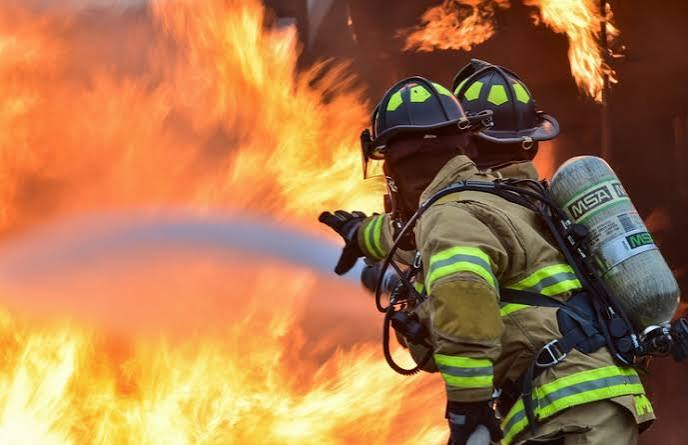
Businesses facing temporary safety concerns need dependable monitoring solutions that help reduce risks while supporting operational continuity. Selecting the proper provider requires attention to training, reliability, communication, and service quality. When searching for a fire watch company near me, organizations should focus on expert support that matches operational requirements. Effective monitoring helps identify hazards rapidly, supports compliance obligations, and guards valuable assets from preventable incidents. A suitable provider delivers structured supervision while helping maintain safer conditions during periods requiring additional observation.
Understanding Operational Safety Requirement Details
Every organization has unique monitoring expectations based on facility size, activities, and risk levels. Evaluating these requirements aids determine the appropriate level of supervision needed. Clear understanding supports better provider selection while ensuring monitoring activities align with operational objectives effectively.
Availability During Unexpected Operational Situations
Continuous support helps maintain safer working environments.
- Immediate availability supports urgent monitoring requirements.
- Fast response improves operational readiness levels.
- Reliable coverage reduces supervision-related concerns.
- Consistent presence strengthens safety management efforts.
- Timely assistance supports organizational protection goals.
Reviewing Service Reliability During Critical Periods
Reliable support remains essential whenever additional monitoring becomes necessary. Organizations should evaluate provider availability, response capability, and consistency. Dependable service helps maintain operational stability while ensuring supervision remains active during periods requiring heightened attention to safety concerns.
Structured Patrol Methods Supporting Better Oversight
Organized patrols improve visibility across monitored locations.
- Scheduled inspections support ongoing observation activities.
- Regular rounds improve awareness of conditions.
- Planned routes strengthen monitoring effectiveness daily.
- Consistent coverage supports operational safety objectives.
- Patrol records improve accountability throughout facilities.
Strong Observation Skills for Hazard Detection
Observation remains essential during monitoring activities.
- Trained personnel identify developing concerns quickly.
- Careful inspections support preventive safety efforts.
- Continuous awareness strengthens operational protection measures.
- Visual monitoring improves overall site supervision.
- Early detection reduces potential incident exposure.
Checking Documentation and Reporting Accuracy Levels
Accurate documentation provides valuable records for monitoring activities. Providers should maintain organized reports detailing patrols, observations, and actions taken. Comprehensive documentation supports accountability while helping organizations demonstrate compliance with established safety-related requirements effectively.
Professional Conduct Supporting Business Confidence
Professional behavior reflects service quality standards.
- Respectful personnel strengthen organizational trust levels.
- Proper conduct supports productive workplace interactions.
- A professional appearance enhances service credibility greatly.
- Reliable actions improve operational confidence consistently.
- Courteous communication supports positive working relationships.
Clear Service Agreements Before Engagement Begins
Detailed agreements help avoid misunderstandings later.
- Defined responsibilities clarify monitoring expectations.
- Written terms support accountability between parties.
- Service details improve operational planning efforts.
- Transparent agreements strengthen professional cooperation greatly.
- Clear expectations support successful monitoring outcomes.
Comparing Industry Knowledge and Practical Understanding
Industry familiarity can improve monitoring quality significantly. Providers with relevant operational knowledge often recognize potential concerns more efficiently. This understanding supports better decision-making while helping organizations receive supervision suited to their specific operational circumstances.
Selecting Flexible Support for Changing Requirements
Operational needs may change over time. Flexible providers can adjust monitoring schedules, coverage levels, and staffing requirements as conditions evolve. Adaptable support helps organizations maintain effective supervision while responding efficiently to changing safety-related situations.
Cost Considerations Without Reducing Quality Standards
Value should balance quality with affordability.
- Reasonable pricing supports responsible budget planning.
- Quality services provide dependable monitoring support.
- Cost evaluation improves provider selection decisions.
- Balanced investment supports operational protection goals.
- Reliable supervision justifies service-related expenses.
Choosing an appropriate monitoring provider requires careful review of qualifications, reliability, reporting practices, and operational flexibility. Organizations benefit from selecting teams capable of maintaining consistent supervision while adapting to changing circumstances. Strong observation methods, dependable communication, and organized documentation contribute to better protection across monitored environments. Businesses seeking dependable support often begin by searching for a fire watch company near me that demonstrates professionalism through every stage of service delivery. Careful evaluation helps create dependable oversight solutions that support compliance expectations while reducing exposure to preventable safety-related challenges over time.
