


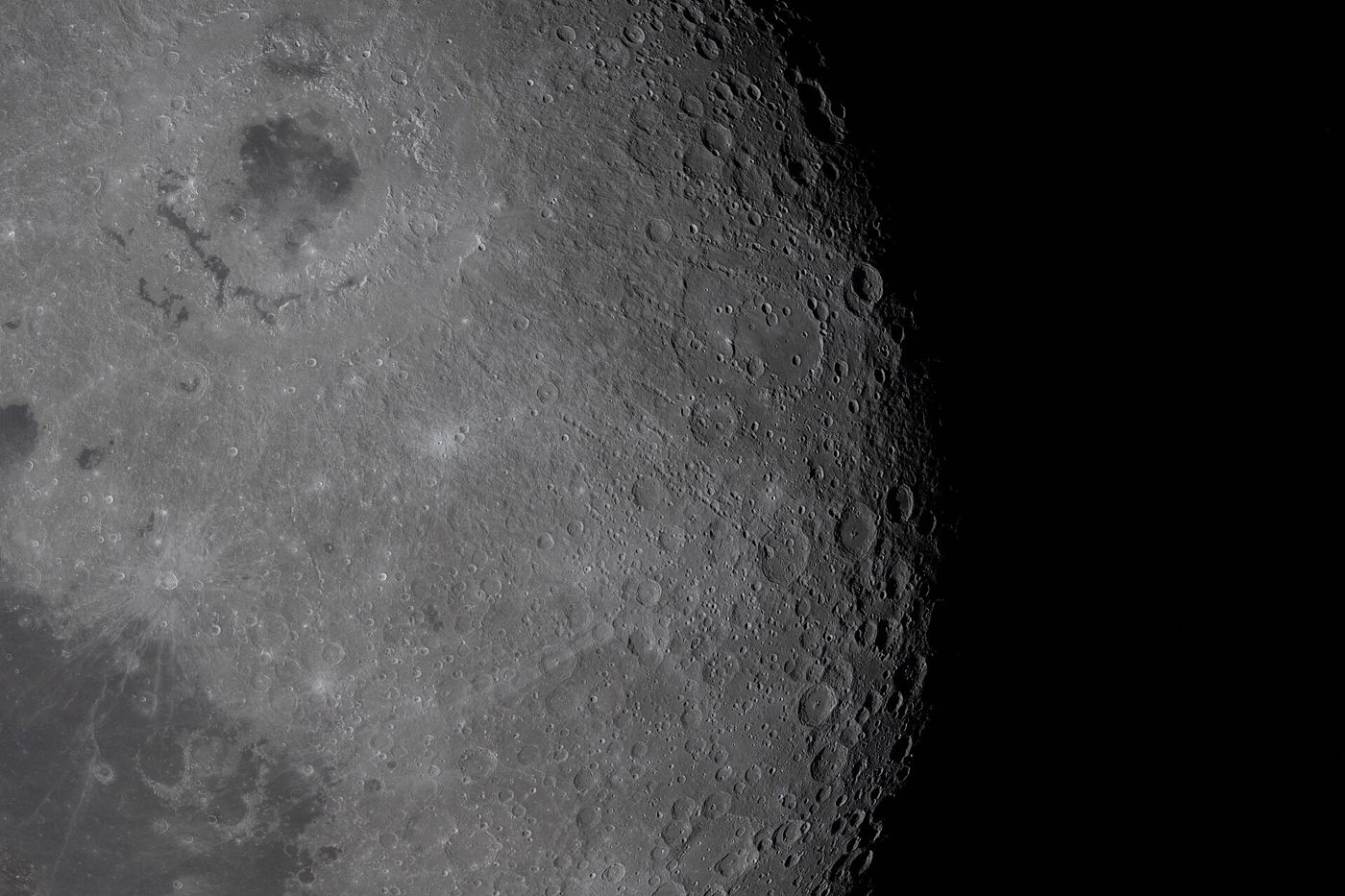
The most abundant building material on the Moon is the ground itself, and engineers are now testing how to turn its loose, abrasive soil, known as regolith, into shelters able to protect astronauts from radiation and micrometeorites. Launching construction supplies from Earth is prohibitively expensive, so research teams are experimenting with sintering regolith using concentrated sunlight, binding it with small amounts of polymer or sulphur, and packing it into bags that stack into thick-walled vaults. Samples returned decades ago, together with high-fidelity simulants ground from volcanic rock, allow the tests to proceed in vacuum chambers that reproduce lunar conditions. The results are increasingly practical: sintered blocks with respectable strength, printing techniques that lay down regolith paste in layers and designs that use the material as shielding over inflatable habitats rather than as a structure in its own right. The Moon’s first permanent buildings, it seems, will be made largely of the Moon.
What the Evidence Shows
Radiation protection drives most of the engineering. A layer of regolith two to three metres thick can reduce cosmic radiation exposure to levels comparable with those aboard the International Space Station, and it also smooths the violent temperature swings between lunar day and night. The challenges are equally concrete: regolith dust is sharp, electrostatically clingy and damaging to machinery and lungs, so construction robots will likely do the outdoor work while astronauts supervise from inside. Researchers are testing whether microwave heating can fuse a landing pad’s surface to suppress dust thrown up by arriving spacecraft, one of the most hazardous problems for any lasting base. Power requirements, repairability and the behaviour of structures through years of thermal cycling all remain open questions. Still, the direction is unmistakable across several national programmes: future lunar architecture will be judged by how cleverly it uses local material, not by how much it imports. Reporting and analysis from sources such as NASA track the same developments, and specialists following lunar regolith construction for Moon shelters say the direction is now consistent across independent lines of evidence.
The Wider Context
Funding bodies are watching lunar regolith construction for Moon shelters closely because the work sits at the junction of basic curiosity and practical return. Grant panels increasingly ask for a path from discovery to application, while researchers push back that the most valuable uses of fundamental science are rarely the ones written into the original proposal. The tension is productive when both sides stay honest about timescales.
What Happens Next
The long view on lunar regolith construction for Moon shelters is that fields advance by accumulation rather than by single announcements. This result adds a solid, checkable piece to a structure many teams are building, and its authors have shared their data so the piece can be tested from every side. That is how the picture eventually becomes reliable enough to act on. You can follow related developments in our coverage of science.
It is also worth remembering how quickly the picture in this area has changed before. Positions that looked settled a few years ago have been revised as new data arrived, and the same humility is appropriate now. The strongest coverage of this subject, and the most useful advice, tends to come from sources that update their views openly when the facts move, rather than defending an earlier position long after it has stopped fitting the evidence available.
