


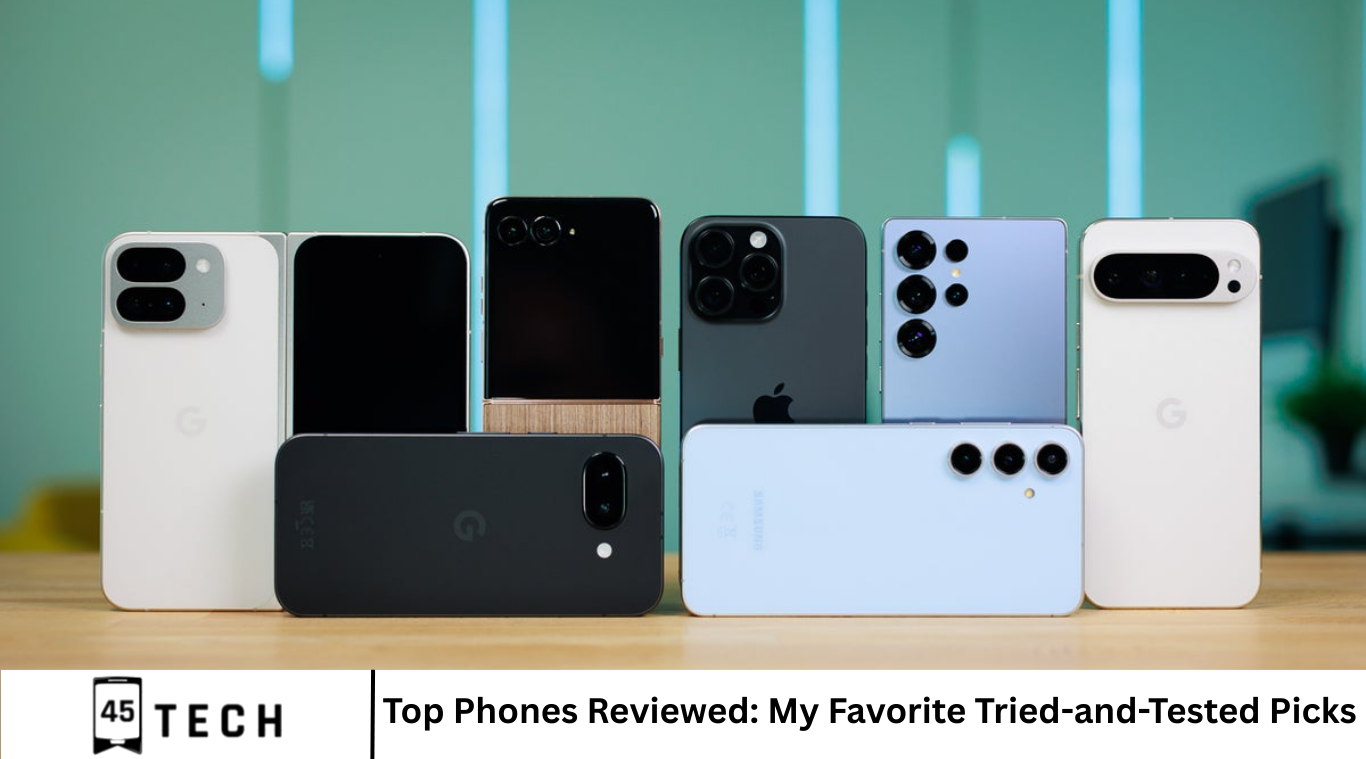
Choosing the perfect smartphone can feel overwhelming. The market floods with new models every year, packed with features that sometimes feel like jargon rather than useful benefits. As someone who’s tested countless devices across different brands and price points, I’m here to simplify that choice. This article shares my top tried-and-tested phones for 2025 — carefully picked based on performance, design, camera quality, battery life, and overall user experience.
Whether you’re a tech enthusiast, a casual user, or someone looking for a reliable everyday phone, this guide covers a range of options to suit your needs and budget. Read on to find your next perfect phone!
What Makes a Great Phone in 2025?
Before diving into the picks, let’s set the stage on what criteria matter most in today’s smartphones:
- Performance: Smooth multitasking and gaming require powerful processors and ample RAM.
- Display Quality: Crisp, bright screens with high refresh rates enhance everything from videos to scrolling.
- Camera: Phones have become our primary cameras, so image quality and features like night mode and zoom are key.
- Battery Life: Long-lasting power and fast charging keep you unplugged longer.
- Build & Design: Comfort, durability, and aesthetics all count.
- Software Experience: Intuitive OS, timely updates, and bloatware-free are big pluses.
- Price & Value: Getting the best features for your money.
My Top Tried-and-Tested Phones of 2025
Apple iPhone 15 Pro
Why I Love It: The iPhone 15 Pro nails the perfect balance of power, polish, and ecosystem integration. The A17 Pro chip delivers lightning-fast performance with efficiency. The ProMotion display with a 120Hz refresh rate is buttery smooth, perfect for gaming and scrolling. The camera system shines in both daylight and low light, thanks to computational photography enhancements.
Key Highlights:
- Titanium frame offers lighter weight and durability
- Macro photography and ProRes video capabilities
- iOS 17 with new customization features and privacy upgrades
- Exceptional build quality and seamless integration with other Apple devices
Who Should Buy: Apple fans who want the absolute best iPhone experience and photographers seeking pro-level video and photo features.
Samsung Galaxy S23 Ultra
Why I Love It: The Galaxy S23 Ultra is a powerhouse Android flagship that excels in almost every category. Its massive 6.8-inch AMOLED screen dazzles with vibrant colors and 120Hz refresh. The Snapdragon 8 Gen 2 processor handles everything smoothly, and the battery easily lasts a full day.
Key Highlights:
- 200MP main camera sensor with incredible zoom options (up to 100x Space Zoom)
- S Pen support for productivity and creativity
- One UI 5 with Android 13 offers customization and multitasking perks
- Robust build with IP68 water resistance
Who Should Buy: Android users looking for a versatile device with top-tier cameras and stylus capabilities.
Google Pixel 8 Pro
Why I Love It: Google’s Pixel 8 Pro is a showcase of AI-powered photography and clean Android experience. The Tensor G3 chip focuses on AI and machine learning, offering personalized performance and on-device processing for privacy.
Key Highlights:
- Computational photography produces stunning images with superb detail and color accuracy
- Smooth 120Hz LTPO OLED display
- Advanced voice assistant features and real-time translation
- Regular security and feature updates direct from Google
Who Should Buy: Users who prioritize photography, pure Android, and cutting-edge AI features.
OnePlus 12
Why I Love It: OnePlus has consistently delivered flagship-level specs at a more approachable price point. The OnePlus 12 continues that trend with premium performance, fast charging, and a slick design.
Key Highlights:
- Snapdragon 8 Gen 2 chip for flagship-level speed
- 6.7-inch Fluid AMOLED display with 120Hz refresh rate
- 100W wired fast charging and 50W wireless charging
- OxygenOS offers clean and customizable software experience
Who Should Buy: Performance enthusiasts who want flagship specs without the flagship price tag.
Xiaomi 14 Pro
Why I Love It: Xiaomi 14 Pro is a high-performance device offering great value, with a fantastic display, fast performance, and impressive cameras.
Key Highlights:
- 6.73-inch AMOLED display with 120Hz refresh rate
- Leica co-engineered triple camera system with advanced zoom and night modes
- Snapdragon 8 Gen 2 processor
- Large battery with ultra-fast 120W charging
Who Should Buy: Budget-conscious users who still want top-tier specs and great photography.
Sony Xperia 1 V
Why I Love It: The Xperia 1 V is tailored for creators, especially videographers and photographers who want manual control over camera settings and a cinema-grade 4K OLED display.
Key Highlights:
- 4K OLED 120Hz display with accurate color reproduction
- Advanced camera app with professional controls
- Snapdragon 8 Gen 2 processor for smooth performance
- Durable design with water and dust resistance
Who Should Buy: Content creators and professionals who want full manual camera controls on a smartphone.
Samsung Galaxy A54
Why I Love It: For those who want reliable performance without breaking the bank, the Galaxy A54 delivers excellent value with solid cameras, smooth software, and a beautiful display.
Key Highlights:
- 6.4-inch Super AMOLED screen with 120Hz refresh rate
- Versatile triple-camera system
- Good battery life with 25W charging
- One UI on Android offers a clean and polished experience
Who Should Buy: Budget-conscious buyers who want a solid mid-range phone with great features.
iPhone SE (2024)
Why I Love It: The iPhone SE offers a compact design with powerful internals. It’s perfect for users who prefer smaller phones without compromising performance.
Key Highlights:
- A17 Bionic chip ensures flagship-level speed
- Classic design with Touch ID
- Strong camera performance for its class
- iOS updates for years to come
Who Should Buy: Fans of smaller phones or those seeking a budget-friendly iPhone.
Google Pixel Fold
Why I Love It: Google’s entry into foldable phones brings clean Android, smart software features, and an innovative form factor.
Key Highlights:
- Foldable 7.6-inch inner OLED display and 5.8-inch outer screen
- Tensor G3 chip optimized for foldables
- Pixel’s acclaimed camera system with new fold-specific enhancements
- Android 13 optimized for multitasking
Who Should Buy: Early adopters and those wanting a versatile device for multitasking.
Samsung Galaxy Z Flip 5
Why I Love It: The Galaxy Z Flip 5 combines cutting-edge foldable tech with a stylish compact design.
Key Highlights:
- Durable foldable AMOLED display
- Improved hinge and thinner design
- Snapdragon 8 Gen 2 chip
- Handy cover screen for quick notifications and selfies
Who Should Buy: Style-conscious users looking for a pocketable foldable with flagship performance.
How to Choose Your Next Phone
Choosing the right phone comes down to understanding your priorities:
- Need the best camera? Consider Pixel 8 Pro or iPhone 15 Pro.
- Want flagship Android with stylus? Samsung Galaxy S23 Ultra.
- Budget-friendly but powerful? OnePlus 12 or Samsung Galaxy A54.
- Love compact phones? iPhone SE (2024).
- Curious about foldables? Google Pixel Fold or Galaxy Z Flip 5.
Consider software preferences too: iOS offers a seamless ecosystem, while Android provides customization and variety.
Frequently Asked Question
Which phone has the best camera in 2025?
The iPhone 15 Pro, Google Pixel 8 Pro, and Samsung Galaxy S23 Ultra all offer top-tier cameras. Each excels in different ways—iPhone in video, Pixel in computational photography, and Samsung in zoom capabilities.
Are foldable phones durable enough for everyday use?
Yes, foldables like the Samsung Galaxy Z Flip 5 and Google Pixel Fold have improved hinges and screen durability, but they still require careful handling compared to traditional smartphones.
How important is software updates when choosing a phone?
Very important. Regular updates improve security, add features, and enhance performance. Google Pixel and iPhones generally get the fastest and longest support.
Can mid-range phones compete with flagships?
Mid-range phones have closed the gap significantly, offering great performance and cameras for much less. However, flagships still lead in premium features and cutting-edge tech.
How does battery life compare across these phones?
Battery life varies, but most flagship phones now last a full day under typical use. Phones like the Galaxy S23 Ultra and Xiaomi 14 Pro also support fast charging, minimizing downtime.
Should I prioritize display quality or battery life?
It depends on your use case. If you consume a lot of media or game, a high refresh rate display improves experience. If you’re often away from chargers, battery life may take priority.
Is it worth upgrading my phone every year?
Not always. Unless new features or performance gains significantly impact your daily use, upgrading every 2–3 years is generally sufficient.
Conclusion
The smartphone market in 2025 is vibrant and competitive. Whether you want cutting-edge tech, exceptional cameras, or great value for money, there’s a phone out there that fits your needs. By focusing on tested performance, real-world use, and your priorities, you can confidently pick the perfect device.If you want personalized recommendations or need help choosing between options, just ask!