


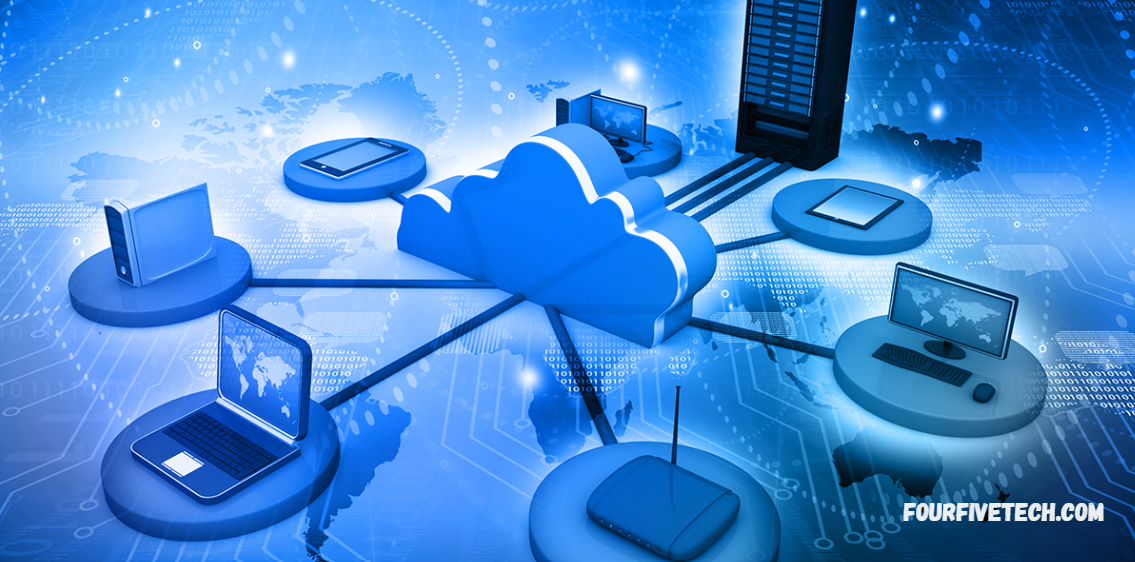
Technology has significantly reshaped the landscape of investing in financial markets. Traditional methods have been supplanted by fast, automated, and data-driven platforms, revolutionizing traders’ operations. Cloud computing and artificial intelligence (AI) are at the forefront of this transformation, enhancing the efficiency and accessibility of trading processes.
Today’s traders rely heavily on advanced technology to analyze market trends and execute trades with remarkable speed. Mastery of effective trading strategies now requires the use of sophisticated tools and platforms, many of which leverage AI-driven algorithms and cloud-based infrastructure. These innovations not only empower traders to make more informed decisions but also mitigate the limitations inherent in manual trading approaches.
What Is Cloud Computing?
Cloud computing refers to the delivery of computing services over the internet, including storage, processing power, databases, networking, software, and analytics. Instead of owning and maintaining physical hardware or software, users can access and use these resources on-demand from remote servers managed by third-party providers.
This technology allows businesses and individuals to scale their computing resources as needed, without the need for upfront capital investments or ongoing maintenance. Cloud computing offers several key benefits, including flexibility, cost efficiency, reliability, and accessibility from anywhere with an internet connection. Popular cloud service providers include Amazon Web Services (AWS), Microsoft Azure, and Google Cloud.
Cloud Computing: Powering Accessibility and Scalability
Cloud computing has unlocked new possibilities for online trading platforms by providing the ability to store and access vast amounts of data over the internet. Traditional trading systems often required traders to maintain complex infrastructure and hardware on-premises, which could be expensive and resource-intensive. With the advent of cloud technology, traders can now rely on cloud-based servers to run their operations, reducing the need for significant capital investment in physical assets.
Key Benefits of Cloud Computing in Trading:
- Scalability: Cloud computing allows trading platforms to scale resources in real time, ensuring they can accommodate high trading volumes during peak times. Whether it’s a major market event or a sudden surge in activity, cloud services enable platforms to adjust resources seamlessly without downtime.
- Accessibility: Cloud-based platforms can be accessed from any device with an internet connection, giving traders the flexibility to trade from anywhere in the world. This level of accessibility makes it easier for traders to stay on top of market movements and respond to opportunities in real time.
- Cost Efficiency: By leveraging cloud computing, online trading platforms can minimize the cost of hardware, maintenance, and upgrades. Traders and brokerage firms no longer need to invest in expensive infrastructure, as the cloud provider handles most of the technical requirements.
- Data Storage and Security: With massive amounts of data generated every day in financial markets, cloud services provide the necessary storage capabilities while ensuring high levels of data security. Cloud providers often implement encryption, multi-factor authentication, and other security measures to protect sensitive information.
May you also like it:
How to Keep Your Business Clean and Tidy
What to Expect During Your Pets Veterinary Visit
Artificial Intelligence: Enhancing Decision-Making and Automation
Artificial intelligence (AI) is a critical component of modern online trading platforms. AI algorithms can analyze vast amounts of data, identify trends, and even execute trades autonomously—at speeds and accuracy levels far beyond human capabilities. The application of AI in trading helps to mitigate the challenges of traditional manual trading methods while enabling more precise, data-driven decisions.
Key Applications of AI in Trading:
- Algorithmic Trading: AI-powered algorithms can analyze historical market data and real-time trends to create automated trading strategies. These algorithms execute trades based on predefined criteria, such as price movements, volume, or other technical indicators. This reduces the need for human intervention and allows for lightning-fast execution.
- Market Prediction and Trend Analysis: AI uses machine learning models to identify patterns in vast amounts of historical and real-time market data. These models can predict market movements, helping traders anticipate price changes and make better-informed decisions. By detecting trends early, AI improves both the speed and accuracy of market predictions.
- Sentiment Analysis: AI-driven sentiment analysis tools can scan news articles, social media, and financial reports to gauge market sentiment. By analyzing public sentiment, AI can determine the potential impact of global events or market news on asset prices. This gives traders an additional layer of insight to anticipate market reactions.
- Risk Management: AI also plays a significant role in managing risk. It can quickly analyze data from various sources to detect unusual market behavior, such as extreme volatility, and alert traders to potential hazards. Furthermore, AI can help portfolio managers adjust their holdings in real time to reduce exposure to risk while maximizing returns.
- Personalized Trading Assistance: AI-powered chatbots and virtual assistants can provide personalized support to traders. These intelligent systems can offer real-time advice, answer questions about market trends, and help users understand complex trading strategies, making the process more accessible to beginners.
Synergy Between Cloud Computing and AI
When cloud computing and AI are combined, the results are even more powerful. Cloud infrastructure offers the computational power and storage capacity required for AI algorithms to analyze vast amounts of financial data quickly and efficiently. The cloud enables AI systems to access data in real-time, process it instantly, and deliver actionable insights to traders.
For instance, a trading platform may use AI algorithms to analyze thousands of assets and predict which ones will perform well. This AI system can be hosted in the cloud, where it can scale dynamically to accommodate large data sets, enabling real-time trade execution.
Additionally, cloud-based platforms can host AI models that continuously improve by learning from new data. With machine learning capabilities, these models can adapt to changing market conditions and provide increasingly accurate predictions over time.
The Future of Trading: A Blend of Automation and Intelligence
As cloud computing and AI continue to evolve, the future of online trading platforms looks increasingly automated and intelligent. We can expect further integration of AI tools that enhance trading strategies, risk management, and market analysis. With cloud computing ensuring the seamless operation of these tools, traders will benefit from even greater flexibility and access to real-time, data-driven insights.
The integration of these technologies also democratizes trading, enabling individual traders to access the same sophisticated tools and resources that were once reserved for large institutional investors. AI-driven platforms will become more intuitive, and traders will continue to experience faster, smarter, and more efficient trading opportunities.